 0
0
 0
0
Introduction
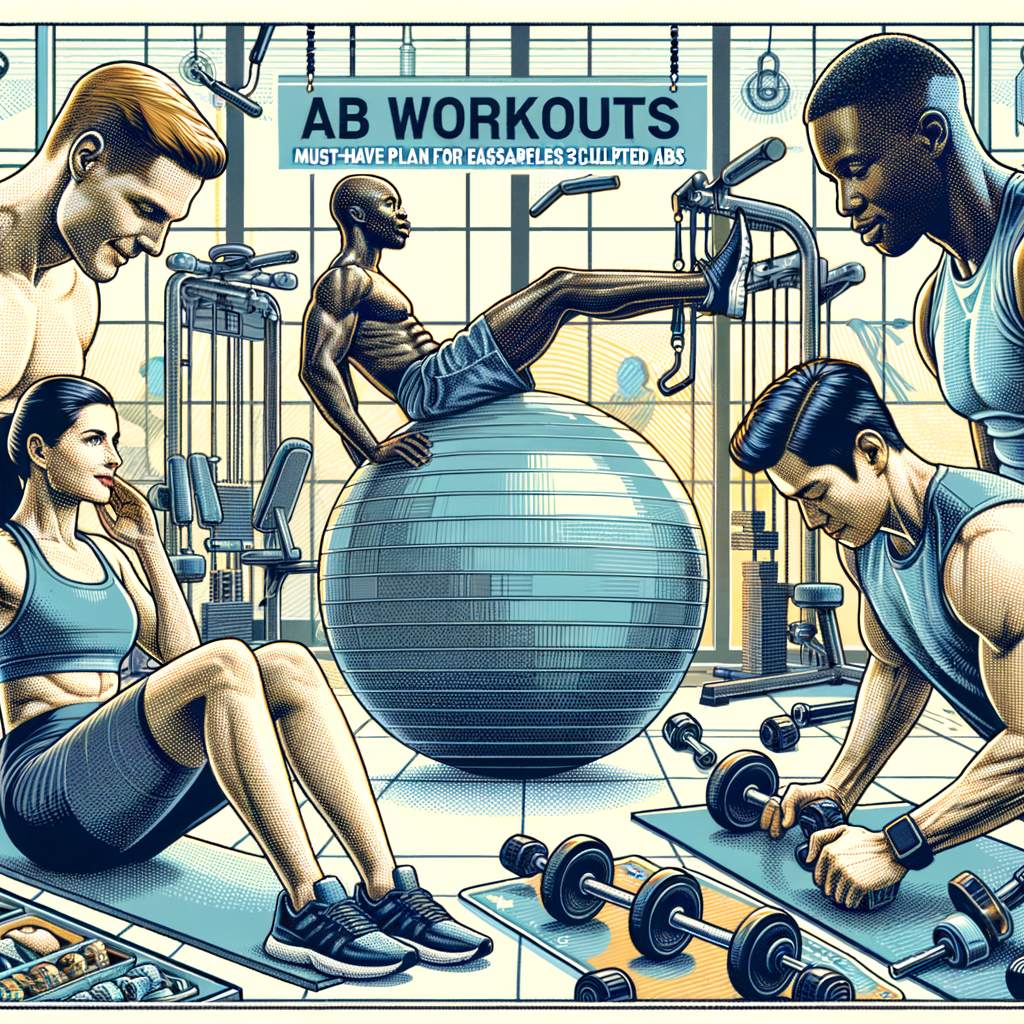
If you want sculpted abs without endless crunches, you came to the right place. This guide will give you a clear, practical plan for Ab Workouts that fit into busy lives. You will learn how to train smarter, not harder, and build visible abs that last.
You will find science-backed advice, a week-by-week plan, key exercises, and nutrition tips. I’ll keep things simple and direct. As a result, you can start today and track steady progress.
Why Ab Workouts Matter — Beyond Looks
Strong core muscles support daily movement and reduce injury risk. Consequently, Ab Workouts improve posture, balance, and athletic performance. They also help you lift heavier and move better in sports and daily tasks.
Moreover, a well-trained core reduces lower-back pain. Instead of isolating one muscle, effective routines train the whole midsection. Thus, you get both function and aesthetics.
Understanding Your Core: Muscles and Function
Your core includes the rectus abdominis, internal and external obliques, transverse abdominis, and the lower back muscles. Each plays a unique role in stability, rotation, and breathing. Knowing this helps you choose targeted exercises.
For example, the rectus abdominis creates the “six-pack” look when body fat is low. Meanwhile, the transverse abdominis acts like a natural corset for lumbar support. As a result, balanced training prevents imbalances and improves performance.
Common Myths About Ab Workouts
Many people think endless crunches build abs fast. In reality, crunches alone won’t reveal a six-pack. Your body fat percentage determines visibility, so you need both training and diet. Also, spot reduction is a myth; the body loses fat systemically rather than from one spot.
Another misconception is that heavy cardio alone delivers abs. While cardio burns calories, strength training and nutrition matter just as much. Thus, combine resistance work, core-specific moves, and proper eating for best results.
Principles of an Effective Ab Workout Plan
First, aim for variety to target different core layers. Include anti-flexion, anti-rotation, and dynamic movements. This way you build both appearance and functional strength.
Second, use progressive overload. Gradually increase reps, sets, or difficulty. Just like other muscles, abs respond to increased demand. Finally, schedule rest and recovery. Your muscles need time to adapt and grow.
Training Frequency and Volume
You can train core muscles 3 to 5 times per week, depending on intensity. Short sessions with high quality often outperform long, sloppy workouts. Aim for 10 to 20 total sets per week for core-specific moves.
Additionally, integrate core work into full-body or lifting days. For instance, do targeted ab circuits after compound lifts. This approach saves time and prevents fatigue from affecting heavier lifts.
Timing and Workout Split Examples
If you prefer targeted sessions, use a 3-day split with rest days in between. For busy schedules, a 2-day focused plan works well too. Alternatively, add core sets to your upper or lower body days for convenience.
Below are sample splits:
– 3x/week focused: Monday, Wednesday, Friday.
– 2x/week focused: Tuesday, Saturday.
– Integrated approach: Add 2–3 sets to strength days.
Essential Ab Exercises and How to Do Them
You need a mix of stability, strength, and dynamic moves. Below are foundation exercises that work for most people. Perform them with control and slow tempo for maximal activation.
1. Plank: Keep a straight line from head to heels. Brace your core and hold for time.
2. Side Plank: Targets obliques and lateral stability. Stack feet and raise hips.
3. Dead Bug: Lie on your back and move opposite arm and leg slowly. Focus on breathing.
4. Hanging Knee Raise: Hang from a bar and lift knees to chest. Progress to straight legs.
5. Cable Woodchop: Use rotational force with control. Avoid jerky motions.
6. Bicycle Crunch: Slow and controlled elbow-to-knee movement. Avoid neck strain.
7. Ab Wheel Rollout: Keep a neutral spine and roll only as far as you can control.
Progressions and Regressions
Always scale exercises to match your current level. If a move feels too easy, add load, slower tempo, or more range. If it’s too hard, reduce range, support with your knees, or decrease time under tension.
For example, regress a hanging leg raise to knee tucks on the floor. Progress a plank by adding weight on your back or lifting a limb. These changes create continuous improvement.
Sample 8-Week Ab Workouts Plan (Table)
The plan below combines focused ab sessions and integrated core work. Aim to perform each workout with controlled tempo. Increase reps or difficulty every two weeks.
Week 1–2: Foundation
– Day A: Plank 3x30s, Dead Bug 3×12 each, Glute Bridge 3×15
– Day B: Side Plank 3x20s each, Bicycle Crunch 3×20, Bird Dog 3×12 each
Week 3–4: Build Strength
– Day A: Plank 3x45s, Hanging Knee Raise 3×10, Ab Wheel Rollout 3×8
– Day B: Side Plank w/ Hip Dip 3×12, Cable Woodchop 3×10 each, Glute Bridge 3×20
Week 5–6: Add Difficulty
– Day A: Weighted Plank 3x40s, Hanging Leg Raise 3×8, Decline Sit-Up 3×12
– Day B: Side Plank w/ Leg Lift 3×10 each, Russian Twist w/ Weight 3×20, Pallof Press 3×12
Week 7–8: Peak and Test
– Day A: Ab Wheel 4×10, Hanging Toes to Bar 3×6, Plank 4x60s
– Day B: Loaded Cable Woodchop 4×12, Dragon Flag Regression 4×6, Side Plank 4x30s each
[Table format for clarity]
| Weeks | Day A (Sample) | Day B (Sample) |
|——-|—————-|—————-|
| 1–2 | Plank, Dead Bug, Glute Bridge | Side Plank, Bicycle Crunch, Bird Dog |
| 3–4 | Plank, Hanging Knee Raise, Ab Wheel | Side Plank w/ Hip Dip, Cable Woodchop, Glute Bridge |
| 5–6 | Weighted Plank, Hanging Leg Raise, Decline Sit-Up | Side Plank w/ Leg Lift, Russian Twist, Pallof Press |
| 7–8 | Ab Wheel, Toes-to-Bar, Plank | Cable Woodchop, Dragon Flag Reg, Side Plank |
Nutrition: Melt Fat, Reveal Abs
You can’t out-train a poor diet. To reveal abs, manage body fat through nutrition. Start with a modest calorie deficit of 10–20% from maintenance. This helps preserve muscle while you lose fat.
Focus on protein. Aim for 0.7–1.0 grams per pound of body weight. Protein preserves muscle and supports recovery. Also, eat whole foods rich in fiber, healthy fats, and complex carbs.
Practical Eating Tips
– Plan meals to include a lean protein source.
– Prioritize vegetables and fiber for full feeling.
– Time carbohydrates around training to fuel performance.
– Stay hydrated; water supports metabolism and hunger control.
Cardio: How Much and What Kind
Cardio accelerates fat loss but it’s not the only tool. Combine steady-state cardio with high-intensity interval training (HIIT) for variety. For instance, include 2 HIIT sessions and 2 moderate sessions per week.
Keep sessions short and effective. A 20-minute HIIT protocol or a 30–45 minute steady session often fits most schedules. However, avoid excessive cardio to prevent energy deficits and muscle loss.
Recovery, Sleep, and Stress Management
Your abs need rest like any other muscle. Sleep plays a major role in recovery and hormone balance. Aim for 7–9 hours nightly to support fat loss and performance.
Stress increases cortisol, which can hinder fat loss around the midsection. Use breathing, meditation, or gentle movement to manage stress. Moreover, schedule rest days and lighter training weeks.
Mobility and Flexibility for Core Health
Good mobility enhances core function and reduces injury. Tight hips or thoracic spines can force the abs to overcompensate. As a result, include mobility drills for hips, lower back, and shoulders.
Simple daily movements like hip flexor stretches and thoracic rotations make a big difference. Also, incorporate breathing drills to activate the diaphragm and transverse abdominis.
Equipment and Alternatives
You don’t need fancy gear to train abs effectively. Bodyweight, a mat, and a pull-up bar often suffice. Yet, small tools like an ab wheel, resistance bands, kettlebells, and cables expand options.
Here are quick equipment options and uses:
– Ab wheel: rollouts and progressions.
– Pull-up bar: hanging leg raises, toes-to-bar.
– Kettlebell: Russian twists and farmer carries.
– Cable machine: woodchops and pallof press.
Time-Saving Ab Workouts for Busy People
If time is limited, do a 10-minute core circuit after strength training. Short, intense sessions with few rests can be effective. For instance, perform 3 rounds of 40s plank, 12 hanging knee raises, and 15 bicycle crunches.
Alternatively, use AMRAP (as many rounds as possible) for 10 minutes. This keeps the heart rate up and taxes the core. Busy people often see strong results from consistent short sessions.
Common Mistakes and How to Fix Them
Many people rush reps or use momentum. This reduces core activation and raises injury risk. Instead, slow down each rep and maintain tension. Quality beats quantity every time.
Another mistake is neglecting posture and breathing. Holding your breath or rounding the back reduces effectiveness. Exhale on effort and keep a neutral spine. Also, avoid overtraining by scheduling rest days.
Tracking Progress and Adjusting the Plan
Measure progress with photos, tape measurements, and strength gains. Do not rely solely on scale weight. Muscle gain can mask fat loss on the scale.
Adjust the plan every 2–4 weeks based on results. If you stall, change variables like intensity, volume, or calories. Small, consistent tweaks produce steady improvements.
Sample Weekly Workout (Integrated)
Here’s an example integrated weekly plan that combines strength and core work.
– Monday (Upper): Bench, Rows, 3x Plank 45s, 3x Dead Bug 12 each
– Tuesday (Lower): Squat, Deadlift, 3x Pallof Press 12 each, 3x Glute Bridge 15
– Wednesday: Active recovery or light cardio and mobility
– Thursday (Upper): Overhead Press, Pull-ups, 3x Side Plank 30s each, 3x Ab Wheel 8
– Friday (Lower): Lunges, Romanian Deadlift, 3x Hanging Knee Raise 10, 3x Russian Twist 20
– Saturday: HIIT or sports, plus 2x core circuits of 10 minutes
– Sunday: Rest and stretch
Sample Core Circuit (10 minutes)
– 40s Plank
– 12 Ab Wheel Rollouts
– 20 Bicycle Crunches
Perform 3 rounds with minimal rest.
Modifying for Different Fitness Levels
Beginners should start with easier variants and focus on form. For instance, choose knee planks and dead bug progressions. Gradually increase time or reps each week.
Intermediate lifters can add load and more complex movements. Use weighted planks, hanging leg raises, and cable chops. Advanced trainees may perform dragon flags and weighted rollouts.
Why Consistency Beats Intensity
Many people overdo intense programs and quit. Instead, choose consistent, doable sessions you can maintain. Small daily wins compound into major changes.
For example, 10 minutes daily adds up far more than one brutal weekend workout. Therefore, design a plan you enjoy and can repeat week after week.
Mind-Muscle Connection and Form Tips
Focus on feeling the muscle you train. For abs, imagine drawing your belly button toward your spine. This cue engages the transverse abdominis and stabilizers.
Also, breathe properly. Exhale during the hard phase of the exercise. Avoid jerking or using momentum. Maintain control to get better results and avoid injury.
Lifestyle Habits That Support Sculpted Abs
Abs reflect overall lifestyle, not just workouts. Maintain consistent sleep, hydrate, and manage stress. Also, limit alcohol and processed foods that add excess calories.
Build supportive habits like meal prepping, regular activity, and smart portion control. Consistency in these areas accelerates your ab goals.
Putting It All Together: A Practical Weekly Checklist
Follow this checklist to stay on track:
– Train core 3 times this week with quality sessions.
– Include two compound strength workouts.
– Add two cardio or HIIT sessions.
– Maintain a slight calorie deficit if needed.
– Sleep 7–9 hours and manage stress.
– Track progress with photos and strength records.
Conclusion
Sculpted abs come from smart training, consistent nutrition, and patient progress. Prioritize full-body strength, targeted core work, and proper recovery. You don’t need endless sit-ups or extreme diets.
Use the 8-week plan as a template. Adjust intensity and volume to match your level. Most importantly, stick with a plan you can maintain long term. With steady effort, you’ll build functional, sculpted abs that last.
Frequently Asked Questions (FAQs)
1. How long until I see my abs?
Visible change depends on starting body fat and genetics. Most people see improvements in strength within 2–4 weeks. Visual changes usually appear after 8–12 weeks with consistent diet and training.
2. Can I get abs with only bodyweight Ab Workouts?
Yes. Bodyweight moves can be highly effective if you progress them. Increase time, reps, or complexity. However, added load speeds up strength gains for many people.
3. Do women need different Ab Workouts than men?
No. Core muscles work the same way regardless of sex. Women may need different calorie and recovery strategies. Otherwise, training principles remain similar.
4. How does age affect ab development?
Age slows metabolism and recovery somewhat. Yet, older adults can build a strong core with appropriate intensity and recovery. Focus on joint-friendly variations and mobility.
5. Should I do ab exercises before or after cardio?
Do core work after heavy compound lifts for best performance. If cardio is your main goal that day, do it first. Otherwise, place abs at the end of your session.
6. Will lifting heavy weights hide my abs?
Lifting builds muscle and can raise weight on the scale. Yet, muscle improves body composition and metabolic rate. Visible abs depend on body fat, not solely weight.
7. Can I train abs every day?
You can perform light daily core activation, but avoid high-intensity core sessions daily. Muscles need rest to adapt and strengthen. Balance frequency with recovery.
8. Are crunches useless?
Crunches are not useless. They target the rectus abdominis. Still, they lack functional benefits compared to planks and anti-rotation work. Use them as one tool among many.
9. Is alcohol killing my progress?
Alcohol adds empty calories and can disrupt recovery. Excessive drinking can slow fat loss and impair sleep. Moderate consumption affects results less than heavy drinking.
10. When should I change my ab routine?
Change your routine when you stop seeing strength or aesthetic progress for 2–3 weeks. Also adjust when exercises become too easy. Small changes in load or volume work well.
References
1. American Council on Exercise — Core Training: What It Is and Why It Works
https://www.acefitness.org/education-and-resources/lifestyle/blog/6590/core-training-what-it-is-and-why-it-works/
2. Schoenfeld, B. J. — Science and Development of Muscle Hypertrophy (book)
https://www.novapublishers.com/catalog/product_info.php?products_id=56798
3. Journal of Strength and Conditioning Research — Core Stability and Athletic Performance
https://journals.lww.com/nsca-jscr/Abstract/2014/03000/Core_Stability_and_Athletic_Performance__What.4.aspx
4. Academy of Nutrition and Dietetics — Protein Needs for Athletes
https://www.eatright.org/fitness/sports-and-performance/fueling-your-workout/how-much-protein-do-athletes-really-need
5. National Sleep Foundation — Sleep and Recovery for Athletes
https://www.sleepfoundation.org/physical-health/how-sleep-affects-exercise
6. Mayo Clinic — Weight Loss: Choosing a Diet That Works
https://www.mayoclinic.org/healthy-lifestyle/nutrition-and-healthy-eating/in-depth/weight-loss/art-20047752
7. PubMed Central — Effects of High-Intensity Interval Training on Body Composition
https://www.ncbi.nlm.nih.gov/pmc/articles/PMC2991639/