 0
0
 0
0
- Introduction: Why the Right Bodybuilding Diet Matters
- Bodybuilding Diet Basics: Calories and Macros
- How Much Protein Do You Need?
- Carbohydrates: Fuel for Performance
- Fats: Essential but Strategic
- Pre-Workout Nutrition: What to Eat and Why
- Pre-Workout Meal Examples
- Pre-Workout Snack Options for Short Notice
- Pre-Workout Supplements: What Helps
- Hydration: The Often-Missed Pre-Workout Tip
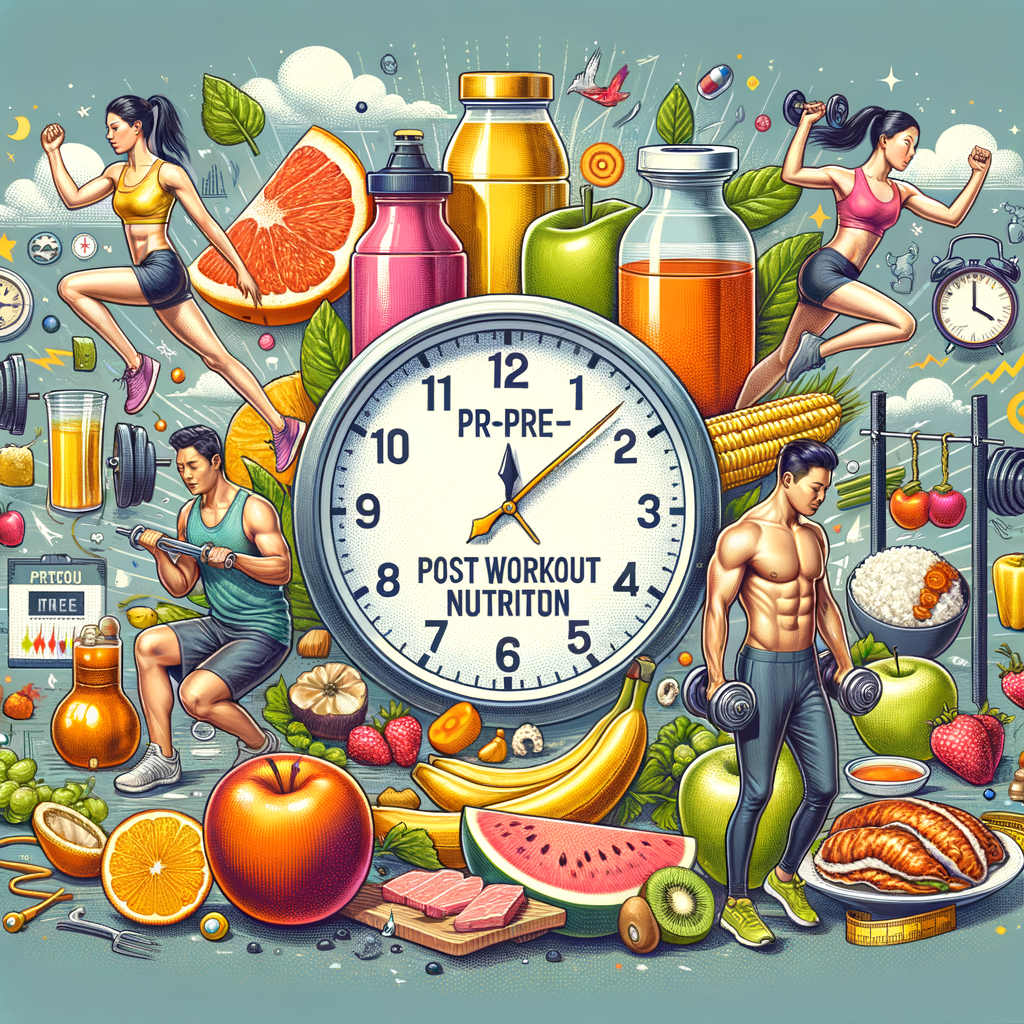
- Post-Workout Nutrition: Why Timing Matters
- Optimal Post-Workout Macronutrient Ratios
- Post-Workout Meal Ideas
- Protein Timing and Muscle Protein Synthesis
- Nutrition for Muscle Repair: Micronutrients That Help
- Recovery Foods and Anti-Inflammatory Choices
- Meal Timing and Frequency: What the Research Says
- Sample Day for Muscle Gain (Bulking)
- Sample Day for Fat Loss While Preserving Muscle (Cutting)
- Foods to Avoid Before and After Workouts
- Meal Prep Tips for Consistency
- Shopping List: Essentials for a Bodybuilding Diet
- Supplements: What Helps and What’s Hype
- Tracking Progress and Adjusting Your Diet
- Common Pitfalls and How to Avoid Them
- Long-Term Tips for Sustainable Gains
- Conclusion: Make Food Work for Your Training
- Frequently Asked Questions (FAQs)
- References
Introduction: Why the Right Bodybuilding Diet Matters
Your workouts shape your muscles, but food builds them. A smart bodybuilding diet gives you energy, speeds recovery, and supports growth. Without the right nutrition, progress stalls and injuries rise.
This guide covers must-have pre and post-workout foods, timing, macros, supplements, and meal plans. You will learn practical steps to fuel hard sessions and recover fast. Use these tips to make every workout count.
Bodybuilding Diet Basics: Calories and Macros
You must eat the right calories to reach your goals. For muscle gain, eat a calorie surplus. For fat loss, create a modest deficit while preserving protein. Track intake for at least two weeks to find what works.
Focus on three macronutrients: protein, carbohydrates, and fats. Protein repairs and builds muscle. Carbs provide workout fuel and refill glycogen. Fats support hormones and overall health. Aim for balanced, consistent meals throughout the day.
How Much Protein Do You Need?
Protein should be a priority in any bodybuilding diet. Most lifters need 1.6–2.2 grams per kilogram of body weight. For example, a 80 kg lifter needs 128–176 grams daily. Spread protein evenly across meals to maximize muscle protein synthesis.
Choose high-quality sources like lean meats, dairy, eggs, fish, and legumes. Use whey or plant-based protein powders when whole foods are not available. Additionally, include a protein serving in both pre and post-workout meals.
Carbohydrates: Fuel for Performance
Carbs power intense training and replenish glycogen after a session. Eat complex carbs such as oats, rice, potatoes, and whole grains. These give steady energy and support longer workouts.
Time most of your carb intake around workouts. Consume a carb-rich meal before you train. Then, eat carbs after training to restore energy and assist recovery. Adjust amounts based on activity and goals.
Fats: Essential but Strategic
Fats support hormone production and overall health. Include sources like avocados, nuts, seeds, olive oil, and fatty fish. Keep fats moderate around workouts to avoid slow digestion.
Aim for 20–30% of calories from fats. Reduce fat intake slightly in pre-workout meals so nutrients digest quickly. Maintain healthy fats in other meals to support recovery and well-being.
Pre-Workout Nutrition: What to Eat and Why
Pre-workout meals should supply energy and prevent muscle breakdown. Prioritize carbs and protein. Eat a small amount of fat to avoid digestive discomfort.
Plan to eat 60–90 minutes before training. If you have more time, eat a larger meal 2–3 hours beforehand. Use the timing to match your digestion and workout intensity. Try different meals to find what feels best.
Pre-Workout Meal Examples
Here are quick, effective pre-workout meals you can use.
– Oatmeal with banana and whey protein
– Greek yogurt with berries and honey
– Brown rice, chicken breast, and steamed veggies
– Whole-grain toast with peanut butter and sliced banana
– Smoothie: whey, banana, oats, and almond milk
These meals balance carbs and protein. They digest well and support performance. Keep portion sizes aligned with your calorie goals.
Pre-Workout Snack Options for Short Notice
Sometimes you need a quick snack 20–45 minutes before training. Pick carbs with a small protein portion. Avoid high-fat or high-fiber foods that may upset your stomach.
Good options include:
– Banana and a scoop of protein powder
– Rice cake with jam and a small protein shake
– Low-fat yogurt with honey
– Apple with a small amount of nut butter
These snacks give quick energy and help you train harder.
Pre-Workout Supplements: What Helps
Certain supplements can enhance performance and focus. Creatine boosts strength and power. Caffeine raises alertness and reduces perceived effort. Beta-alanine can delay fatigue for high-rep sets.
Stay cautious with pre-workout blends though. Check ingredients and doses. Start with lower doses to assess tolerance. Always prioritize food quality over supplements.
Hydration: The Often-Missed Pre-Workout Tip
Hydration impacts strength, endurance, and mental focus. Start drinking water early in the day. Aim for 500–600 ml (17–20 oz) about 2–3 hours before exercise. Drink another 200–300 ml (7–10 oz) 20–30 minutes before training.
If you train in heat or sweat a lot, consider electrolytes. A small sports drink or electrolyte tablet can prevent cramping and fatigue. Keep sipping water throughout the session.
Post-Workout Nutrition: Why Timing Matters
Post-workout meals kickstart recovery and muscle growth. After training, your muscles accept nutrients more readily. Prioritize protein and carbs to rebuild and refill glycogen.
Consume a post-workout meal within 45–90 minutes. If you cannot, at least take a protein-rich shake right after training. The faster you feed your muscles, the better recovery you will get.
Optimal Post-Workout Macronutrient Ratios
Aim for a combination of protein and carbs soon after training. A practical ratio is 3:1 or 2:1 carbs to protein by grams. For instance, pair 30–60 grams of carbs with 20–40 grams of protein.
Fats are less urgent post-workout. Keep fats moderate in that meal to speed nutrient absorption. Add healthy fats later in the day to support hormones and recovery.
Post-Workout Meal Ideas
Try these post-workout meals to maximize recovery:
– Grilled chicken, sweet potato, and vegetables
– Salmon, quinoa, and mixed greens
– Beef stir-fry with brown rice and vegetables
– Protein shake with banana and oats
– Cottage cheese with fruit and honey
Each option combines protein and carbs. They support muscle repair and energy restoration.
Protein Timing and Muscle Protein Synthesis
Your body responds well to evenly spaced protein meals. Eating protein every 3–4 hours helps maintain a positive muscle-building environment. Aim for 20–40 grams per meal, depending on size and goals.
A post-workout protein dose helps but is not a strict deadline. Total daily protein matters most. Still, regular protein feedings enhance gains and reduce catabolism.
Nutrition for Muscle Repair: Micronutrients That Help
Vitamins and minerals support repair, energy production, and immune health. Vitamin D aids muscle function. Iron carries oxygen to working muscles. Magnesium helps with recovery and sleep.
Eat a wide variety of colorful fruits and vegetables. Also include whole grains, dairy, nuts, and lean meats. Consider a daily multivitamin if your diet lacks variety.
Recovery Foods and Anti-Inflammatory Choices
Certain foods help reduce inflammation and speed recovery. Include fatty fish, berries, leafy greens, turmeric, and ginger. These foods support joint health and reduce soreness.
Also add foods rich in omega-3s like salmon or chia seeds. They counteract exercise-induced inflammation. Combine these with a balanced meal plan for the best results.
Meal Timing and Frequency: What the Research Says
Frequent meals help some lifters manage calories and energy. Others do well with three balanced meals. The key is consistent protein distribution and sufficient calories.
Time carbs around training for energy and recovery. Space protein intake across the day. Ultimately, choose a plan you can sustain long-term.
Sample Day for Muscle Gain (Bulking)
Here is a sample bulking day that follows the rules above.
– Breakfast: Oats, whey, berries, and almonds
– Snack: Greek yogurt with honey and granola
– Pre-workout: Brown rice, chicken, and a banana (1–2 hours before)
– Post-workout: Protein shake and a rice cake
– Dinner: Salmon, sweet potato, and broccoli
– Evening: Cottage cheese with berries
This plan balances calories, protein, and carbs. Adjust portions to match your calorie target.
Sample Day for Fat Loss While Preserving Muscle (Cutting)
A cutting day focuses on a modest calorie deficit. It keeps protein high to spare muscle. It times carbs around workouts.
– Breakfast: Egg whites, spinach, and oats
– Snack: Apple and low-fat cottage cheese
– Pre-workout: Small sweet potato and turkey slices
– Post-workout: Protein shake and banana
– Dinner: Lean steak, mixed greens, and quinoa
– Evening: Greek yogurt or casein protein
This sample supports training intensity while reducing calories.
Foods to Avoid Before and After Workouts
Skip greasy, fried, and highly processed foods close to training. They slow digestion and may cause cramps. Also avoid large amounts of fiber right before you train.
After training, avoid alcohol and heavy, fatty meals. They impair recovery and muscle protein synthesis. Instead, pick clean protein and carbs to rebuild.
Meal Prep Tips for Consistency
Prepare meals in batches to stay on track. Cook proteins, grains, and vegetables in advance. Store portions in clear containers for easy access.
Use a weekly shopping list. Invest in a kitchen scale and reusable containers. These habits reduce guesswork and help you hit daily macros.
Shopping List: Essentials for a Bodybuilding Diet
Stock your kitchen with nutrient-dense staples:
– Lean proteins: chicken, turkey, lean beef, fish
– Dairy: greek yogurt, cottage cheese, milk
– Eggs and egg whites
– Whole grains: oats, brown rice, quinoa
– Starchy carbs: sweet potatoes, potatoes
– Healthy fats: olive oil, avocados, nuts
– Vegetables and fruits: leafy greens, berries, bananas
– Supplements: whey, creatine, multivitamin, fish oil
This list covers core needs for most lifters. Rotate items for variety and taste.
Supplements: What Helps and What’s Hype
Supplements can fill gaps and improve performance. Creatine monohydrate shows strong evidence for strength gains. Whey protein offers quick, high-quality protein. Caffeine boosts focus and power.
Be wary of flashy blends. Prioritize proven compounds and check labels. Remember, supplements compliment a solid diet. They do not replace whole food nutrition.
Tracking Progress and Adjusting Your Diet
Track strength, bodyweight, and measurements. Also watch energy and recovery. If strength stalls or you gain excess fat, adjust calories by 5–10%.
Increase calories gradually during a bulk. Reduce them slowly during a cut. Make one change at a time so you can judge impact.
Common Pitfalls and How to Avoid Them
Many lifters under-eat protein or over-rely on junk foods. They also skip carbs around workouts and then feel weak. Plan meals and pack snacks to avoid these traps.
Another error is ignoring sleep and stress. Both affect recovery and appetite. Prioritize sleep, and manage stress for better results.
Long-Term Tips for Sustainable Gains
Think in months, not weeks. Build gradual habits and track progress. Rotate training phases and diet focus to avoid burnout.
Consistency beats perfection. Enjoy varied foods and allow occasional treats. This approach keeps you compliant and makes gains realistic.
Conclusion: Make Food Work for Your Training
A focused bodybuilding diet fuels workout performance and speeds recovery. Prioritize protein, time carbs around training, and keep fats moderate near workouts. Use practical meals and supplements wisely.
Plan meals, track progress, and adjust gently. With consistency, you will lift harder and recover faster. Let nutrition be your secret weapon.
Frequently Asked Questions (FAQs)
1. How soon before a workout should I eat a full meal?
– Eat a full meal 2–3 hours before training. That gives time for digestion. If you need energy closer to training, use a smaller snack 30–60 minutes prior.
2. Can I build muscle on a vegetarian bodybuilding diet?
– Yes. Vegetarians can build muscle with proper planning. Focus on varied protein sources, legumes, dairy, eggs, and high-quality plant proteins. Use supplements like pea or soy protein if needed.
3. Is fasted cardio bad for muscle gains?
– Fasted cardio can burn fat, but it risks muscle loss if prolonged. Keep sessions short and moderate. Preserve muscle by maintaining protein intake and strength training.
4. Should I take creatine every day or only on workout days?
– Take creatine daily for best results. A maintenance dose of 3–5 grams daily works. Consistency saturates muscle stores and improves strength.
5. How many carbs should I eat after a heavy leg workout?
– Aim for 30–60 grams of carbs after a heavy leg session. This helps restore glycogen and speed recovery. Adjust higher if you have consecutive hard sessions.
6. Can I rely solely on protein shakes for post-workout nutrition?
– Protein shakes work well when food is not available. However, whole-food meals provide more nutrients. Combine shakes with carbs to maximize recovery.
7. How much water should I drink during a workout?
– Sip 200–300 ml (7–10 oz) every 15–20 minutes. In intense or hot conditions, increase fluid intake. Add electrolytes if you sweat heavily.
8. Will eating late at night cause fat gain?
– Calories in versus calories out determines fat gain. Late-night eating does not automatically cause fat gain. Still, choosing nutrient-dense foods helps sleep and recovery.
9. Is timing my meals more important than total daily calories?
– Total daily calories and protein matter most. Meal timing helps performance and recovery but does not replace overall calorie control. Use timing to support training intensity.
10. How do I balance cardio with a bodybuilding diet?
– Match cardio volume to your goals. For muscle gain, keep cardio moderate to avoid excess calorie burn. On a cut, increase cardio to boost calorie deficit. Prioritize carbs around resistance training.
References
– Phillips, S. M., & Van Loon, L. J. C. (2011). Dietary protein for athletes: From requirements to optimum adaptation. Journal of Sports Sciences. https://www.tandfonline.com/doi/full/10.1080/02640414.2011.619204
– Kreider, R. B., et al. (2017). International Society of Sports Nutrition position stand: safety and efficacy of creatine supplementation in exercise, sport, and medicine. Journal of the International Society of Sports Nutrition. https://jissn.biomedcentral.com/articles/10.1186/s12970-017-0173-z
– Thomas, D. T., Erdman, K. A., & Burke, L. M. (2016). Position of the Academy of Nutrition and Dietetics, Dietitians of Canada, and the American College of Sports Medicine: Nutrition and athletic performance. Journal of the Academy of Nutrition and Dietetics. https://www.sciencedirect.com/science/article/pii/S2212267216301612
– Cermak, N. M., Res, P. T., de Groot, L. C., Saris, W. H., & van Loon, L. J. (2012). Protein supplementation augments the adaptive response of skeletal muscle to resistance-type exercise training. The American Journal of Clinical Nutrition. https://academic.oup.com/ajcn/article/96/6/1454/4576788
– Aragon, A. A., & Schoenfeld, B. J. (2013). Nutrient timing revisited: is there a post-exercise anabolic window? Journal of the International Society of Sports Nutrition. https://jissn.biomedcentral.com/articles/10.1186/1550-2783-10-5