 0
0
 0
0
- Why a Meal Plan Matters for Beginners
- Core Principles of a Bodybuilding Meal Plan
- How Much Protein Do You Need?
- Carb Targets for Training
- Fat Intake Guidelines
- Simple TDEE Example
- Setting Macronutrient Targets from Calories
- Pre- and Post-Workout Nutrition
- Nighttime Meals and Casein
- Sample Bulking Day (approx. 3,000 kcal)
- Sample Cutting Day (approx. 2,200 kcal)
- Vegetarian/Vegan Example
- Meal Prep Tips
- Time-Saving Tools
- How to Use Creatine
- Protein Powder Guidance
- Overdoing “Clean” Eating
- Changing Too Quickly
- How to Adjust Your Plan
- Prepping a Weekly Batch
- Staying Motivated
- Key Takeaways
Introduction
Bodybuilding takes more than heavy lifting. Nutrition plays a key role in building muscle and losing fat. A smart bodybuilding meal plan helps you recover, fuel workouts, and shape your body over time.
Whether you want to bulk or cut, you need a clear plan. This guide will simplify nutrition and show you how to craft meals that support strength gains. You’ll get practical steps, sample menus, prep tips, and common mistakes to avoid.
Why a Meal Plan Matters for Beginners
Many beginners focus only on workouts. Yet, without the right fuel, gains stall. A focused meal plan gives structure and consistency. Consequently, you’ll hit protein targets and manage calories intentionally.
Moreover, a plan reduces guesswork and stress. You spend less time deciding what to eat. Instead, you follow a repeatable system that produces results.
Core Principles of a Bodybuilding Meal Plan
First, prioritize protein. It repairs exercise-induced muscle damage and promotes growth. Aim for consistent intake across meals to maximize muscle protein synthesis.
Second, balance carbohydrates and fats. Carbs supply workout energy. Healthy fats support hormones and cell health. Third, plan calories for your goal—surplus for growth, deficit for fat loss.
Understanding Macronutrients
Macronutrients include protein, carbohydrates, and fats. Each plays a different role in performance and recovery. Balancing them helps you look and feel better.
Protein provides amino acids that build and repair muscle tissue. Good sources include lean meats, dairy, eggs, and plant proteins. Aim for high-quality proteins that contain all essential amino acids.
Carbohydrates give you energy to perform intense workouts. They replenish muscle glycogen after training. Focus on whole grains, fruits, and starchy vegetables for sustained energy. Meanwhile, simple carbs work well immediately after tough sessions.
Fats support hormones and overall health. Include monounsaturated and polyunsaturated fats from sources like olive oil, nuts, seeds, and fatty fish. Keep saturated fats moderate and avoid trans fats.
How Much Protein Do You Need?
For bodybuilding, most beginners benefit from 1.6 to 2.2 grams of protein per kilogram of body weight. That equals roughly 0.7 to 1.0 grams per pound. You can start at the lower end and increase if you struggle to gain or recover.
Spread protein evenly across 3–6 meals daily. Research shows muscle protein synthesis responds better to regular doses. Thus, aim for 20–40 grams per meal, depending on your size.
Carb Targets for Training
Carb needs vary by activity level. Aim for 3–6 grams per kilogram per day for moderate training. Increase to 6–8 grams if you perform high-volume or intense sessions.
Time carbs around workouts for best results. Eat a carb-rich meal 1–3 hours before training. Consume carbs again within two hours after finishing to restore glycogen and support recovery.
Fat Intake Guidelines
Keep fats between 20% and 35% of total daily calories. This range supports hormonal health and nutrient absorption. Include omega-3-rich foods to reduce inflammation and help recovery.
Avoid severely cutting fat. Low-fat diets can impair hormone production and energy levels. Instead, choose quality fat sources and spread them across meals.
Calculating Your Calories
Calories determine whether you gain, maintain, or lose weight. Calculate your Total Daily Energy Expenditure (TDEE) and then adjust for your goal. You can use online calculators or follow these steps manually.
First, estimate your Basal Metabolic Rate (BMR). Then multiply by an activity factor to get TDEE. For beginners, a rough activity factor is 1.55 for moderate activity. Finally, add or subtract calories depending on your goal.
For bulking, start with a 10–20% calorie surplus. This helps you gain muscle while limiting fat gain. For cutting, aim for a 10–20% calorie deficit. This reduces fat while preserving lean mass.
Simple TDEE Example
Below is a quick example to illustrate the math:
– BMR (male, 80 kg) estimate: 1800 kcal
– Activity multiplier: 1.55 = 2790 kcal TDEE
– Bulking: +10% = 3070 kcal target
– Cutting: -15% = 2370 kcal target
Adjust after 2–4 weeks based on progress. If weight changes too fast, tweak calories by 100–200 kcal.
Setting Macronutrient Targets from Calories
Once you know your calories, convert them into macros. Use the following method:
– Protein: 1.6–2.2 g/kg body weight
– Fats: 20–35% of total calories
– Carbs: Remaining calories after protein and fats
This approach ensures protein and fats meet needs while carbs fill the rest.
Meal Timing and Frequency
Meal timing matters, but it’s not rigid. What matters most is total daily intake. Still, timing can aid training and recovery. Plan meals around workouts and sleep for best results.
Eat a balanced meal 1–3 hours before exercise. Include carbs and protein to fuel your session. After training, consume protein and carbs within two hours to start recovery.
Many beginners do well with 3–5 meals daily. Eating often helps manage hunger and provides steady amino acids. However, some prefer intermittent fasting. That can work if you hit your daily calories and protein.
Pre- and Post-Workout Nutrition
Pre-workout meals should be familiar and easy to digest. Examples include oats with banana and whey, or rice with chicken. Avoid heavy, greasy foods that slow you down.
Post-workout, focus on protein and carbs. A shake with whey and fruit works well. Alternatively, eat a meal like grilled chicken, sweet potato, and vegetables.
Nighttime Meals and Casein
A slow-digesting protein before bed can help overnight recovery. Casein or cottage cheese are good options. These foods release amino acids slowly and support muscle protein synthesis during sleep.
However, this step is optional. Prioritize total daily protein again. If you meet protein goals, bedtime protein provides marginal benefits.
Sample Bodybuilding Meal Plan for Beginners
Below you’ll find sample plans for bulking and cutting. Each plan includes simple meals you can prepare in bulk. Adjust portions to hit your calorie and macro targets.
Sample Bulking Day (approx. 3,000 kcal)
– Breakfast: 3 eggs, 2 slices whole-grain toast, 1 cup oats with berries
– Snack: Greek yogurt, 1 banana, 20 g almonds
– Lunch: 200 g grilled chicken, 1.5 cups brown rice, mixed vegetables
– Pre-workout: Protein shake (30 g whey), 1 apple
– Post-workout: 200 g lean beef, 2 medium sweet potatoes, salad
– Evening snack: Cottage cheese (200 g), 1 tbsp peanut butter
This plan emphasizes protein and carbs to fuel growth. You can swap protein sources and grains without changing totals.
Sample Cutting Day (approx. 2,200 kcal)
– Breakfast: Egg white omelet with spinach and mushrooms, 1 slice whole-grain toast
– Snack: Whey shake with water, handful of berries
– Lunch: 150 g salmon, large salad, 1 cup quinoa
– Pre-workout: Rice cake with jam, small banana
– Post-workout: Turkey breast sandwich on whole-grain bread, lettuce, tomato
– Evening snack: Greek yogurt with cinnamon
This menu lowers calories but keeps protein high to preserve muscle. Increase vegetables and water to help fullness.
Vegetarian/Vegan Example
– Breakfast: Tofu scramble, whole-grain toast, avocado
– Snack: Protein shake (pea/rice protein), apple
– Lunch: Lentil salad with quinoa and mixed greens
– Pre-workout: Oatmeal with banana and almond butter
– Post-workout: Tempeh stir-fry with brown rice
– Evening snack: Soy yogurt with walnuts
Plant-based eaters should focus on protein variety and complete amino acid profiles. Combine legumes with grains to improve protein quality.
Grocery List: Essentials for a Bodybuilding Meal Plan
Stock up on nutrient-dense, versatile foods. Below is a categorized list to streamline shopping.
– Proteins: chicken breast, lean beef, turkey, fish, eggs, Greek yogurt, cottage cheese, tofu, tempeh, whey or plant protein
– Carbohydrates: oats, brown rice, quinoa, sweet potatoes, whole-grain bread, rice cakes, fruits, starchy vegetables
– Fats: olive oil, avocado, nuts, seeds, nut butter, fatty fish (salmon, sardines)
– Vegetables: spinach, kale, broccoli, bell peppers, tomatoes, mixed greens
– Extras: spices, salsa, low-sugar sauces, vinegar, coffee, tea
Rotate foods to reduce boredom. Also, buy frozen vegetables and fruits for convenience and savings.
Meal Prep Tips
Prep meals once or twice weekly. Cook proteins and carbs in bulk. Portion them into containers for easy access. Label meals with dates to avoid spoilage.
Use simple cooking methods: grill, bake, steam, or stir-fry. Spice meals well to prevent flavor fatigue. Keep sauces low in sugar and calories.
Time-Saving Tools
Invest in these tools to save time: rice cooker, slow cooker, quality containers, food scale, and a good chef’s knife. They speed prep and improve consistency.
Supplements: What Helps Beginners
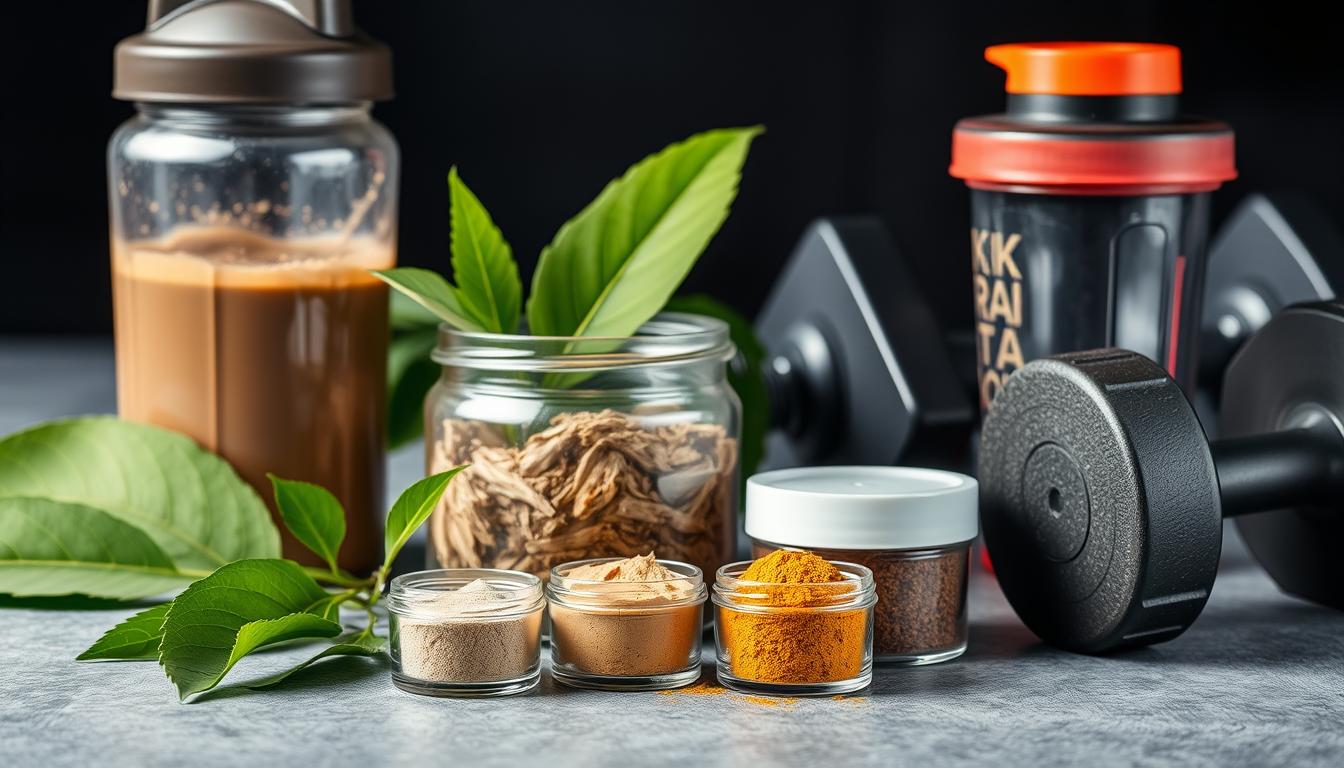
Supplements complement, not replace, whole foods. They fill gaps and support convenience. Here are commonly used and well-researched options.
– Whey protein: convenient, fast-digesting protein after workouts.
– Creatine monohydrate: boosts strength and muscle mass over time.
– Fish oil (omega-3): supports recovery and reduces inflammation.
– Multivitamin: helpful if your diet lacks variety.
– Caffeine: improves workout performance if used sensibly.
Avoid overreliance on proprietary blends or miracle claims. Choose third-party tested products to ensure quality.
How to Use Creatine
Take 3–5 grams daily of creatine monohydrate. You can start with a loading phase (20 g/day split into 4 doses) for 5–7 days. However, a steady 3–5 g daily also saturates muscles within a few weeks.
Mix creatine with water or your post-workout shake. It works with both high-carb and regular meals. Stay hydrated while using creatine.
Protein Powder Guidance
Use protein powder to meet daily targets, especially post-workout. It fits when whole foods are unavailable. Choose whey for fast absorption or casein for nighttime if preferred. Plant-based blends work well for vegans.
Common Mistakes Beginners Make
Beginners often overcomplicate nutrition. They chase trends instead of following consistent basics. Keep things simple and measurable to see steady gains.
Underestimating calories is common. Many assume they eat enough while falling short. Track intake for a few weeks to validate or correct assumptions. Use apps or a food scale for accuracy.
Skipping protein near workouts can hamper recovery. Make sure each meal contains adequate protein. Also, don’t fear carbs; they power your lifts and support muscle growth.
Overdoing “Clean” Eating
Obsessing over cleanliness can cause stress and restrict calories. Aim for mostly whole foods but include flexible choices. This approach supports long-term adherence and mental health.
Changing Too Quickly
Beginners often switch diets and fail to allow results time. Make one change at a time and monitor for 2–4 weeks. If you don’t see progress, adjust slowly rather than overhaul repeatedly.
Tracking Progress
Track both performance and body composition. Use multiple measures to assess progress, such as strength lifts, photos, measurements, and scale weight. Relying on one metric can mislead you.
Log workouts and note reps and weights. If strength increases, you likely gain muscle even if the scale doesn’t move. Take weekly or biweekly photos under consistent lighting and poses.
How to Adjust Your Plan
If you gain too much fat while bulking, reduce calories by 5–10%. If you don’t gain weight on a bulk, add 100–300 kcal daily. During a cut, if weight stalls, lower calories by 100–200 kcal or increase activity.
Also, adjust macros as needed. For instance, increase carbs if workouts feel weak. Lower fats slightly if you need to cut calories without sacrificing protein.
Sample Grocery List Table
| Category | Items |
|---|---|
| Proteins | Chicken breast, lean beef, turkey, fish, eggs, Greek yogurt, cottage cheese, tofu, tempeh, protein powder |
| Carbs | Oats, brown rice, quinoa, whole-grain bread, sweet potatoes, fruit, beans |
| Fats | Olive oil, avocado, nuts, seeds, nut butter, salmon |
| Veggies | Spinach, broccoli, bell peppers, kale, mixed greens, tomatoes |
| Extras | Spices, low-sugar sauces, vinegar, coffee, tea |
Meal Plan Examples: Weekly Layout
Use the following weekly layout to simplify decisions. Swap proteins and carbs each day to keep variety.
– Monday: Chicken + rice + vegetables
– Tuesday: Beef + potatoes + salad
– Wednesday: Fish + quinoa + greens
– Thursday: Turkey + sweet potato + broccoli
– Friday: Tofu/tempeh + brown rice + mixed veg
– Saturday: Lean steak + roasted veg + grain
– Sunday: Meal flex day (eat out or have favorite healthy dish)
Plan leftovers for lunches. This cuts cooking time and ensures you stick to targets.
Prepping a Weekly Batch
Cook 3–4 proteins and 2–3 carbs at once. Portion them into containers for each day. Add fresh vegetables or quick salads to finish meals.
Store meals for up to 4 days in the fridge. Freeze extras for later weeks. Rotate flavors with different sauces or spice blends.
Psychology and Consistency
Consistency beats perfection. Focus on creating habits that you can sustain. Small, daily wins compound into big results over months.
Set realistic short-term goals like “increase bench press by 10 lbs in 6 weeks.” Celebrate progress and adjust plans as life changes. Also, include flexible meals to handle social occasions without guilt.
Staying Motivated
Track non-scale victories such as increased strength, better sleep, and higher energy. These indicators matter just as much as weight. Moreover, find a training partner or join a community for accountability.
Reassess goals every 8–12 weeks. Change training or diet phases to avoid plateaus and burnout. Consistent effort and smart nutrition deliver long-term gains.
Conclusion
A bodybuilding meal plan gives structure to your training and lifestyle. Prioritize protein, balance carbs and fats, and set calories according to your goal. Prep meals, track progress, and adjust over time.
Use the sample plans and grocery lists to start simply. Add supplements selectively and avoid common mistakes. Ultimately, consistency and patience create sustainable changes.
Key Takeaways
– Determine your calorie target first.
– Hit protein goals every day.
– Time carbs around workouts for performance.
– Prep meals to stay consistent.
– Track progress and tweak slowly.
Apply these steps and you’ll build muscle, reduce fat, and feel stronger. Stick with the basics, and progress will follow.
Frequently Asked Questions (FAQs)
1. How long before I see results from a bodybuilding meal plan?
Most people see improvements in strength within 4–6 weeks. Visible muscle changes usually take 8–12 weeks with consistent training and nutrition.
2. Can I build muscle on a maintenance calorie intake?
Yes, beginners or returning trainees can gain muscle on maintenance calories. Still, a slight surplus speeds up growth for most people.
3. Is intermittent fasting okay for bodybuilding?
Yes, if you hit daily calories and protein. However, some find it harder to fuel intense workouts or spread protein evenly.
4. How many meals per day should I eat?
Eat 3–6 meals depending on preference. The most important part is total daily intake and even protein distribution.
5. Should I count calories or focus on food quality only?
Count calories when you need precise changes. Food quality matters for health and satiety, but calories drive weight change.
6. How much protein is too much?
Protein over 2.5 g/kg body weight offers little extra benefit for most people. Excessive protein may stress kidneys in those with preexisting issues.
7. Do I need carbs to build muscle?
Carbs help fuel workouts and restore glycogen, making high-quality training possible. You can build muscle on low-carb diets, but performance may suffer.
8. Can I rely only on supplements for convenience?
Supplements provide convenience, but whole foods deliver essential micronutrients and fiber. Use supplements to complement your diet.
9. How do I prevent muscle loss during a cut?
Keep protein high, maintain resistance training, and avoid aggressive calorie deficits. Slow and steady fat loss protects lean mass.
10. How often should I change my meal plan?
Change meals every 6–12 weeks if you need variety or are hitting a plateau. Otherwise, stick to a plan until you reach your goals.
References
1. (Incomplete: max_output_tokens)