 0
0
 0
0
Introduction
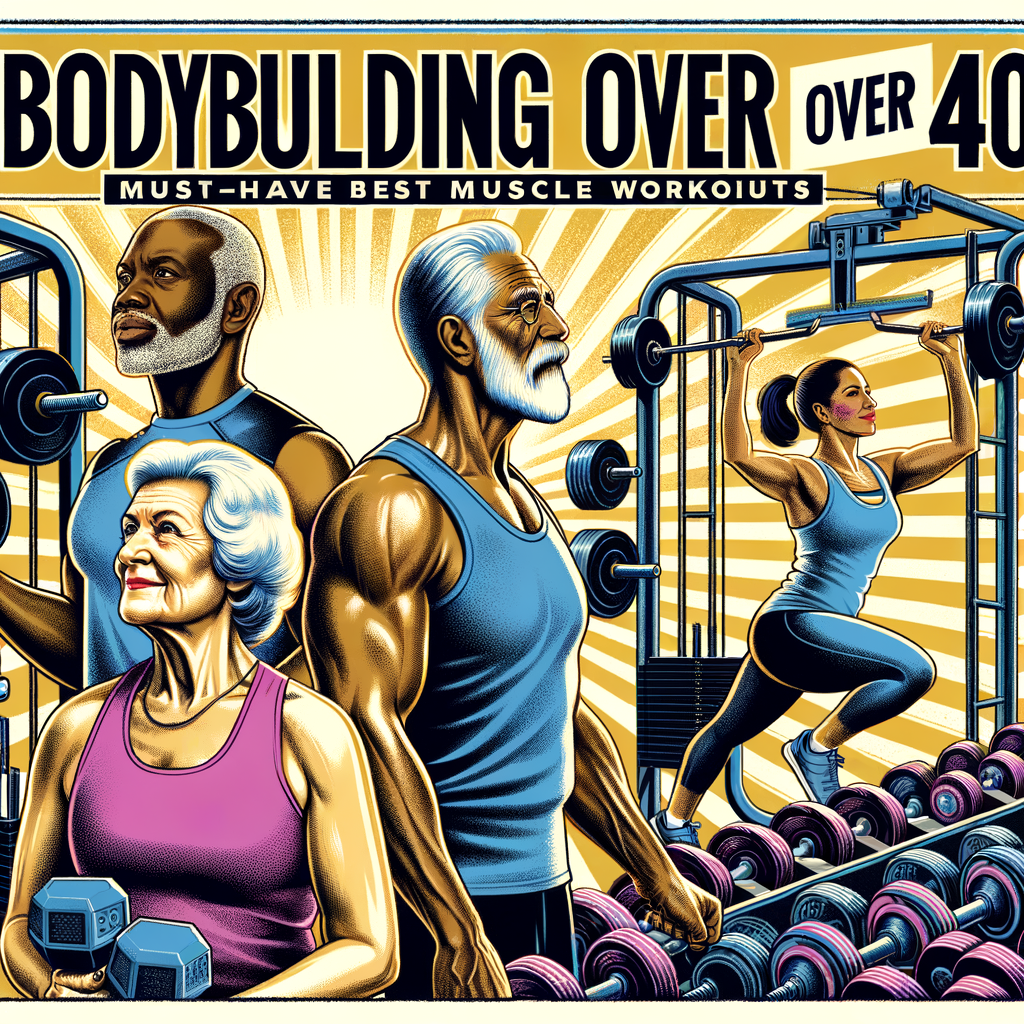
Bodybuilding Over 40 brings new challenges and fresh opportunities. Many men and women assume their muscle days end at 30. In reality, smart training and smart recovery let you gain muscle and strength well into middle age. This article gives practical workouts and clear rules to build muscle after 40.
You will get science-backed advice, sample programs, and safety tips. Each section stays actionable and easy to use. Read on to craft a plan that fits your body and schedule.
How Aging Affects Muscle and Hormones
Aging lowers testosterone, growth hormone, and IGF-1 levels. These hormones help build and maintain muscle. You will notice slower recovery and less muscle mass if you ignore these changes.
Sarcopenia begins subtly in your 30s and speeds later. However, resistance training fights this decline effectively. Consistent strength work preserves muscle, improves metabolism, and fights frailty.
Key Principles for Bodybuilding Over 40
Prioritize consistency over flashy programs. You will achieve the most gains by training regularly. Aim for 3 to 5 sessions per week and progress slowly but steadily.
Focus on progressive overload and recovery. Increase load, reps, or density in planned steps. Then support gains with sleep, nutrition, and mobility work.
Warm-Up and Mobility: Prepare to Perform
A dynamic warm-up reduces injury risk and improves performance. Start with 5 to 10 minutes of light cardio, then move to dynamic joint swings. Include band pull-aparts, leg swings, and hip circles.
Mobility work keeps joints healthy as you train. Spend 5 to 10 minutes on thoracic mobility, hip flexor stretches, and ankle mobility. Do this before heavy lifts and on rest days.
Training Split Options for Over-40 Lifters
Choose a split that fits your recovery and schedule. A full-body plan works well for recovery-challenged lifters. It spreads volume across the week and reduces joint strain per session.
Push/pull/legs suits those who want more focus and volume. Upper/lower splits also offer balance between frequency and recovery. Pick three to five sessions per week based on energy and work-life balance.
Best Compound Exercises to Build Muscle After 40
Compound moves create the biggest returns for time spent. Squats, deadlifts, bench press, rows, and overhead presses work multiple muscles. These lifts raise hormone responses and improve function.
Modify these lifts to stay safe. Use goblet squats if you have back issues. Swap trap-bar deadlifts for conventional deadlifts if you need less low-back stress. Choose variations that keep technique clean.
Top Isolation Exercises to Target Lagging Muscles
Isolation work fixes imbalances and sculpts detail. Biceps curls, triceps extensions, lateral raises, and hamstring curls target specific weak points. Use them after compounds to add volume.
Keep isolation sets moderate. Two to four sets of eight to fifteen reps works well. Choose controlled tempo and full range of motion for the best results.
Sample Weekly Programs
Below is a table with three sample programs for different experience levels. Adjust loads and rest to match your recovery and goals.
| Program | Days/Week | Focus | Format |
|—|—:|—|—|
| Beginner Full-Body | 3 | General strength, hypertrophy | Full-body each session, 6–9 sets per major muscle group weekly |
| Intermediate Upper/Lower | 4 | Strength + size balance | Upper/lower split, moderate volume, 2x frequency per muscle |
| Advanced Push/Pull/Legs | 5 | High volume and intensity | 5 days, higher volume, focused accessory work |
Beginner Full-Body (Sample Week)
– Day 1: Squat 3×5, Bench Press 3×5, Bent-Over Row 3×8, Plank 3x30s
– Day 2: Rest or active recovery (walking, mobility)
– Day 3: Deadlift 2×5, Overhead Press 3×6, Pull-Up or Lat Pulldown 3×8, Farmer Carry 3x40m
– Day 4: Rest
– Day 5: Front Squat 3×6, Incline Dumbbell Press 3×8, Single-Leg Romanian Deadlift 3×8 each leg, Side Plank 3x30s
– Days 6–7: Active recovery and mobility
Progression Strategies for Sustainable Gains
Use linear progression early on. Add small weight increases each week for main lifts. Once progress stalls, switch to periodization. Cycle through phases of higher reps and higher load.
Track volume and intensity. Record sets, reps, and weights for each session. Then adjust weekly workload to avoid long-term fatigue and injury.
Rep Ranges, Sets, and Frequency
For hypertrophy, aim for 6–20 reps per set with moderate loads. For strength, use 3–6 reps with heavier loads. Combine both targets across the week for best results.
Apply weekly volume per muscle of 10–20 sets for most lifters. Newer trainees can succeed with the lower end. Advanced lifters may need the upper end to keep progressing.
Cardio and Conditioning: Balance, Not Overkill
Keep cardio short and purposeful. Two to three 20–30 minute sessions of moderate cardio weekly maintain heart health. Use low-impact methods like cycling or rowing when joints feel sore.
Add high-intensity interval training once or twice weekly if you want fat loss. Short bursts improve conditioning and metabolic rate. Always prioritize recovery after HIIT.
Nutrition Essentials for Bodybuilding Over 40
Older lifters need sufficient protein to preserve and build muscle. Aim for 1.2–1.8 grams per kilogram of bodyweight daily. Spread protein evenly across meals for best muscle protein synthesis.
Manage calories to align with your goals. Eat a slight surplus to gain muscle and a moderate deficit to lose fat. Include whole foods, vegetables, and healthy fats to support hormones and recovery.
Supplements That Help (Evidence-Based)
Supplements never replace hard training and food. Still, supplements can support recovery and health. Consider whey protein, creatine monohydrate, vitamin D, and omega-3s.
Creatine remains one of the most studied supplements. It supports strength, power, and lean mass at any age. Take 3–5 grams daily, with or without a loading phase.
Sleep and Recovery: The Non-Negotiables
Sleep drives hormone balance and muscle repair. Aim for 7–9 hours of quality sleep nightly. Good sleep improves performance, mood, and fat metabolism.
Plan regular deload weeks every 4–8 weeks. Reduce volume and intensity to let your body rebuild. Also, use active recovery like easy walks and foam rolling between hard sessions.
Injury Prevention and Management
Older lifters face higher injury risks. Address this by warming up and keeping technique precise. Also, prioritize mobility and balanced accessory work.
When injuries arise, scale back volume and seek professional guidance. Physical therapists and qualified coaches can design rehab plans that maintain muscle while healing.
Sample Exercises with Cues and Alternatives
– Squat: Keep chest up, depth based on mobility, knees track toes. Alternatives: goblet squat, Bulgarian split squat.
– Deadlift: Hinge at hips, keep bar close, drive through heels. Alternatives: trap-bar deadlift, Romanian deadlift.
– Bench Press: Retract shoulders, press with tight core. Alternatives: dumbbell press, push-ups.
– Overhead Press: Drive head forward under bar, brace core. Alternatives: seated dumbbell press, landmine press.
– Row: Pull to the lower rib cage, keep back flat. Alternatives: single-arm dumbbell row, chest-supported row.
Accessory Work to Improve Weak Links
Use accessory moves to correct imbalances and boost lifts. Face pulls and band pull-aparts protect shoulders and improve posture. Glute bridges and hip thrusts strengthen hip drive.
Keep accessory volume moderate. Aim for 8–15 reps per set and two to four sets per exercise. Rotate exercises to avoid repetitive stress.
Common Mistakes to Avoid
Many lifters overtrain when they try to match younger gym partners. This leads to injury and burnout. Instead, play the long game and prioritize recovery.
Avoid ego lifting. Use weights you can control with clean form. Also, don’t skip mobility or warm-up work. These small habits add years to your training clarity and strength.
Tracking Progress and Adjusting Plans
Measure progress with multiple markers. Track lifts, body composition, energy levels, and sleep quality. These tell you more than the scale alone.
Adjust volume based on recovery signals. If sleep worsens and soreness stays high, cut volume by 10–20%. Then reintroduce gradual increases once recovery returns.
Mindset and Motivation for Long-Term Success
Stay consistent and patient. Muscle growth takes time, especially with hormonal shifts after 40. Focus on small wins each week.
Set process-based goals as well as outcome goals. For example, aim to add 5 pounds to a lift in a month. Celebrate the habit of showing up. That habit drives results.
Programming Templates You Can Use
Below are three templates you can plug into your week. Modify reps and sets for your experience level.
1) Beginner Full-Body (3x/week)
– Main lifts: 3 sets x 5–8 reps
– Accessory: 2–3 sets x 8–12 reps
– Cardio: 2x 20-minute light sessions weekly
2) Intermediate Upper/Lower (4x/week)
– Upper: 3–4 sets main compound, 3 sets accessory
– Lower: 3–4 sets heavy compound, 2–3 accessory sets
– One HIIT session optional
3) Advanced Push/Pull/Legs (5x/week)
– Push: heavy compound 4 sets x 4–6, volume accessories 3 x 8–15
– Pull: heavy row/pull 4 x 4–6, isolation for biceps 3 x 8–12
– Legs: mix heavy (3–5 reps) and hypertrophy (8–15 reps)
Example Week (Intermediate Upper/Lower)
– Monday: Upper A — Bench 4×6, Row 4×8, Overhead 3×6, Lateral Raises 3×12
– Tuesday: Lower A — Squat 4×6, Romanian DL 3×8, Leg Press 3×12, Calf Raises 3×15
– Wednesday: Active recovery or rest
– Thursday: Upper B — Incline DB Press 4×8, Pull-Up 4×6, Face Pull 3×15, Biceps 3×10
– Friday: Lower B — Deadlift 3×5, Lunges 3×8 each, Hamstring Curl 3×12, Core work
– Weekend: Light cardio, mobility, rest
How to Personalize Your Plan
Start with your time, recovery, and goals. If you work long hours, choose fewer sessions with focused effort. If you recover fast, add a session or two.
Also consider past injuries and movement restrictions. Swap or adjust exercises to protect joints. Finally, use progressive steps, not sudden jumps, to increase load.
When to See a Coach or Therapist
Seek a coach when progress stalls or pain appears. A coach can fix technique and program issues. A physical therapist handles persistent pain and returns you to safe training.
Find professionals who work with older athletes and lifters. They will understand the balance of load and recovery that you need.
Motivation Tips for Staying Consistent
Set short-term milestones to maintain momentum. Log small wins like a new rep PR or consistent sleep patterns. Celebrate these often.
Train with a partner or in small groups for accountability. Also use apps or trackers to measure progress. Seeing numbers climb motivates you to stay consistent.
Safety Checklist Before Heavy Lifts
– Warm-up thoroughly with dynamic moves.
– Do mobility drills for the hips and thoracic spine.
– Start with lighter warm-up sets before heavy attempts.
– Breathe and brace properly during lifts.
– Use spotters or safety rails for heavy pressing.
Transitioning Between Phases: Hypertrophy to Strength
Alternate phases of hypertrophy and strength every 8–12 weeks. Hypertrophy phases use higher rep ranges and slightly more volume. Strength phases focus on heavier loads and lower reps.
This cycling prevents plateaus and keeps joints healthy. It also allows you to train for different adaptations and maintain long-term progress.
Dealing with Plateaus and Stalls
When progress stalls, tweak one variable at a time. Change rep ranges, reduce or increase volume, or improve sleep and nutrition first. Small, consistent tweaks work better than dramatic changes.
Consider a deload or short break if fatigue persists. A 7–10 day reduction in training often resets progress and improves appetite for heavy sessions.
Balancing Bodybuilding with Life Responsibilities
You can build muscle without sacrificing family and work. Short, focused sessions and a simple plan beat long, chaotic workouts. Use compound lifts to save time and get the most benefit.
Also schedule workouts like appointments. Treat gym time as non-negotiable. This routine helps you stay consistent during busy months.
Conclusion
Bodybuilding Over 40 remains achievable and rewarding. You only need evidence-based principles, consistent training, and smart recovery. Tailor programs to your life and body, then progress slowly.
Focus on compound lifts, sensible accessory work, and good recovery habits. With patience and discipline, you will build strength and muscle that last.
Frequently Asked Questions (FAQs)
1. Can I build significant muscle after 40?
Yes. You can add meaningful muscle with consistent resistance training, good nutrition, and recovery. Hormones may change, but gains remain possible.
2. How often should I train per week?
Train 3–5 times weekly based on recovery. Beginners do well with 3 full-body sessions. Advanced trainees can handle 4–5 split days.
3. Should I lift heavy or do higher reps?
Both. Use heavy loads for strength and moderate loads for hypertrophy. Combine rep ranges across weeks for best results.
4. How much protein do I need?
Aim for 1.2–1.8 g per kg of bodyweight daily. Adjust within that range based on activity, goals, and appetite.
5. Are supplements necessary?
No. Whole foods come first. Use creatine, protein powder, vitamin D, and omega-3s as useful supplements, not replacements.
6. How long before I see results?
Expect initial strength gains in weeks. Visible muscle changes take months. Consistent training and calories speed progress.
7. What if I have joint pain?
Modify movements and lower volume. Use alternative variations and consult a physical therapist for persistent pain.
8. Should I do cardio if I want muscle?
Yes. Keep cardio moderate to support heart health. Avoid excessive cardio that reduces recovery for strength training.
9. How do I prevent injury?
Warm up, prioritize technique, and manage volume. Use progressive overload without sudden jumps in weight or frequency.
10. When should I hire a coach?
Hire a coach if you need programming, technique feedback, or faster progress. Find someone experienced with older lifters.
References
– American College of Sports Medicine. Resistance Training for Older Adults. https://www.acsm.org/docs/default-source/files-for-resource-library/resistance-training.pdf
– Schoenfeld, B. J., & Grgic, J. (2019). How many times per week should you train each muscle group? https://journals.lww.com/nsca-jscr/Fulltext/2019/02000/How_Many_Times_Per_Week_Should_You_Train_Each.8.aspx
– Kreider, R. B., et al. International Society of Sports Nutrition position stand: safety and efficacy of creatine. https://jissn.biomedcentral.com/articles/10.1186/1550-2783-4-6
– Phillips, S. M., et al. Dietary protein for athletes: From requirements to metabolic advantage. https://jissn.biomedcentral.com/articles/10.1186/s12970-017-0187-9
– Campbell, W. W., et al. Resistance training and negative protein balance in older adults. https://academic.oup.com/biomedgerontology/article/62/7/734/581863
(Links accessed for reference and context.)