 0
0
 0
0
Introduction
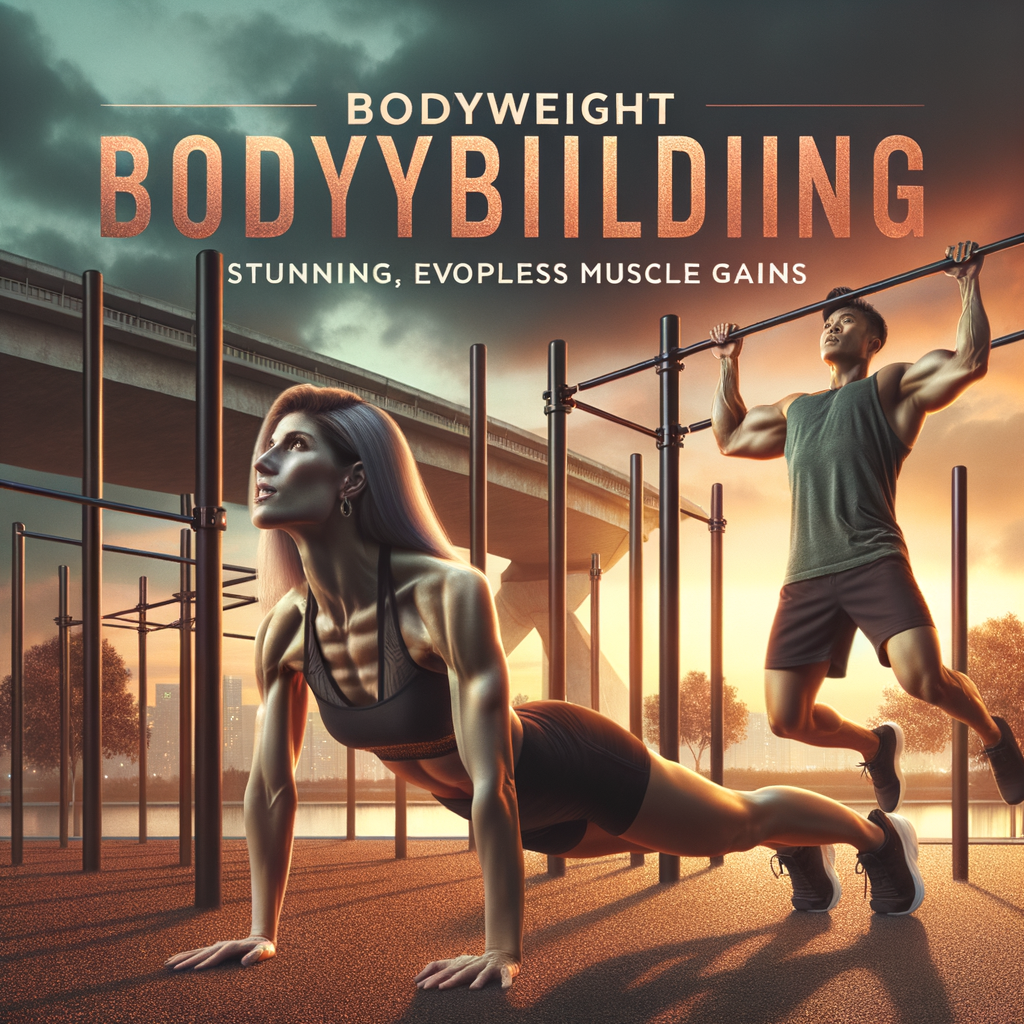
Bodyweight Bodybuilding proves that you do not need a gym to build impressive muscle. Instead, you can sculpt a strong and balanced physique using your own body as resistance. This training style blends classic calisthenics with bodybuilding principles. As a result, you gain size, strength, and muscle definition without bulky equipment.
Many people assume bodyweight work only improves endurance or mobility. However, when you follow the right systems, bodyweight training stimulates growth just like weights do. Moreover, it often feels more natural and less stressful on joints. Consequently, you can train hard while reducing injury risk.
Why Bodyweight Bodybuilding Works
First, bodyweight moves recruit many muscle fibers at once. For example, a push-up hits chest, shoulders, and triceps together. Thus, your body learns to coordinate muscles efficiently. As a result, you gain both size and functional strength.
Second, bodyweight work encourages progressive overload. You can change leverage, add repetitions, alter tempo, or introduce pauses. These tweaks increase the challenge over time. So, you keep forcing adaptation without heavy weights. Finally, bodyweight training boosts muscle endurance and control. You develop better body awareness and joint stability. Those gains improve how you lift and perform in daily life.
Principles of Bodyweight Bodybuilding
Aim for progressive overload in every cycle. Even with no weights, you must increase difficulty gradually. Do this by adding reps, changing leverage, or slowing tempo. Also, include harder variations as you master basics.
Next, manage volume intelligently. For muscle growth, hit each muscle group two to three times weekly. Keep total weekly sets per muscle between 10 and 20. For most people, split workouts by movement pattern rather than body part.
Finally, focus on full range of motion and clean technique. Controlled movements build muscle more effectively. In contrast, sloppy reps reduce gains and raise injury risk. Therefore, prioritize quality over ego.
Foundational Movements
Bodyweight Bodybuilding relies on a handful of core movement patterns. These movements mirror traditional weight training. They include pushes, pulls, hinges, squats, and carries. Mastering them gives you the base to progress.
For example, the push pattern includes push-ups, dips, and handstand presses. The pull pattern uses rows, pull-ups, and Australian pull-ups. The hinge pattern covers hip bridges and single-leg RDLs. Lastly, squats and lunges handle vertical leg work. You can mix and match these movements to train every muscle.
Progression Methods That Actually Build Muscle
Change leverage to scale difficulty. Moving your feet or hands shifts the load. For instance, elevating your feet in push-ups moves more weight to your upper body. Conversely, bending the knees reduces load. Use leverage tweaks before adding extra resistance.
Alter tempo for more time under tension. Slow eccentrics and paused reps increase strain. For muscle gain, aim for a 3–5 second lowering phase on some sets. Also, include explosive concentric reps to recruit fast-twitch fibers.
Use rep ranges strategically. Start with higher reps to build work capacity. Then, gradually drop reps while raising difficulty. For example, begin with sets of 12–20, then move to 6–12, and finally aim for 3–6 on advanced variations. This approach mirrors traditional hypertrophy programming.
Key Bodyweight Exercises for Building Muscle
Push Movements
– Standard push-up
– Incline push-up
– Decline push-up
– Archer push-up
– Ring or bar dips
These moves target chest, shoulders, and triceps. Start with easier variations and progress toward weighted dips or one-arm push-ups. Remember to control the eccentric phase for maximal growth.
Pull Movements
– Assisted pull-up
– Standard pull-up
– Commando pull-up
– Archer pull-up
– Inverted row (bar or rings)
Pulling builds the back, biceps, and rear delts. Vary grip and body angle to shift emphasis. Make sure you pull through full range for spinal health and better posture.
Leg Movements
– Bodyweight squat
– Bulgarian split squat
– Pistol squat
– Walking lunge
– Hip thrusts (single-leg for increased load)
Legs respond well to unilateral work. Single-leg exercises deliver strong mechanical tension. Therefore, prioritize them as you progress. Add tempo and pauses to increase difficulty.
Core and Anti-Extension Movements
– Plank and side plank variations
– Hanging knee raises
– Hanging leg raises
– Dragon flags (advanced)
– L-sits
Your core stabilizes the whole body during compound moves. Thus, train it through both anti-extension and anti-rotation work. Train core strength and endurance in separate sets.
Sample Progression Table
| Skill Level | Push Example | Pull Example | Leg Example |
|————-|————–|————–|————-|
| Beginner | Incline push-up | Assisted pull-up | Bodyweight squat |
| Intermediate| Decline push-up | Standard pull-up | Bulgarian split squat |
| Advanced | One-arm push-up | Weighted pull-up | Pistol squat |
This table helps you plan progression. Move across rows as you gain strength and control.
Designing a Bodyweight Bodybuilding Program
Structure each session around compound moves first. For hypertrophy, perform three to five main sets per movement. Use 60–90 seconds rest for moderate intensity. For heavier progressions, increase rest to two minutes.
Include accessory work to fill weak spots. Focus on smaller muscles like rear delts, biceps, and calves. Add 2–4 accessory exercises per session. Each accessory exercise can have 3–4 sets of 8–15 reps.
Plan weekly frequency and split. A few effective options include:
– Full-body, thrice weekly
– Upper/lower split, four times weekly
– Push/pull/legs, three to five times weekly
Choose the split that fits your schedule and recovery. Most beginners progress faster on full-body or upper/lower splits.
Sample Programs (Beginner, Intermediate, Advanced)
Beginner — Full-Body (3x/week)
– Push: 3×8–12 incline push-ups
– Pull: 3×6–10 assisted pull-ups
– Legs: 3×10 bodyweight squats
– Core: 3x30s plank
– Accessory: 2×12 band face pulls
Intermediate — Upper/Lower (4x/week)
Upper A
– Decline push-ups 4×8–12
– Pull-ups 4×6–10
– Dips 3×6–10
– L-sit holds 3x20s
Lower A
– Bulgarian split squats 4×8–12
– Single-leg hip thrusts 3×10–12
– Walking lunges 3×12 per leg
– Hanging knee raises 3×10–15
Advanced — Push/Pull/Legs (6x/week)
Push
– One-arm push-up progressions 5×3–6
– Pseudo planche push-ups 4×6–8
– Ring dips 4×6–10
Pull
– Weighted pull-ups 5×4–6
– Archer pull-ups 4×6–8
– Muscle-up work 3×5
Legs
– Pistol squats 5×5–8
– Nordic hamstring curls 4×6–8
– Single-leg bounding 3×8 per leg
Adjust reps and sets by feel. Track progress weekly. Increase difficulty when you hit upper rep ranges comfortably.
Using Tempo and Rest for Hypertrophy
Tempo affects muscle tension significantly. Try a 3-1-0 pattern for hypertrophy. That is a 3-second eccentric, 1-second pause, and explosive concentric. Also, include slow sets once per week to promote muscle damage and growth.
Rest intervals shape training stimulus. Short rest (30–60s) increases metabolic stress. Longer rest (90–180s) helps you lift harder. Mix both in a cycle to capture metabolic and mechanical drivers of growth.
Adding Resistance and Loading Options
You can add load without a gym. Use a weighted vest, backpack, or chains. These tools increase muscle tension on standard moves. For instance, a 20 lb vest makes push-ups far tougher.
Also, use leverage changes like leaning forward on push-ups. Or elevate feet for more shoulder loading. Another option includes single-limb work to double effective load on one side.
Finally, use isometrics and paused holds. For example, a 10-second pause at the bottom of a pistol squat increases time under tension. Over time, combine holds with slow eccentrics for maximum stimulus.
Nutrition for Bodyweight Bodybuilding
Protein drives muscle repair. Aim for 1.6–2.2 g per kg of bodyweight daily. Spread intake evenly across meals. Also, prioritize whole foods for micronutrients.
Calories matter for size. Eat at a modest surplus for hypertrophy. A 250–500 calorie surplus supports steady gains. Avoid excessive bloat by increasing calories gradually.
Include carbs around workouts for energy. Carbs fuel high-intensity efforts and speed recovery. Finally, healthy fats support hormones and satiety. Keep fats at reasonable levels, about 20–30% of calories.
Recovery, Sleep, and Stress Management
Muscle grows between workouts. Therefore, recovery matters more than training sometimes. Aim for seven to nine hours of sleep nightly. Also, use active recovery days such as walks or mobility work.
Manage stress to protect hormones and appetite. Stress reduces muscle-building potential and increases catabolism. Practice deep breathing and short mobility sessions to stay calm.
Use deloads every 6–8 weeks. Reduce intensity or volume for one week. This pattern helps you maintain gains and reduces burnout.
Minimal Equipment That Makes a Big Difference
You need very little to succeed. A pull-up bar and a set of gymnastic rings go far. Rings add instability, increasing muscle recruitment. A resistance band helps assist or add tension.
Other useful items include:
– Weighted vest or backpack
– Parallettes for dips and L-sits
– A yoga mat for floor work
These items are inexpensive. Yet, they open many training possibilities. Therefore, invest gradually as your skills grow.
Common Mistakes and How to Avoid Them
Ignoring progression is a top mistake. Many people perform the same routine for months. As a result, they stall. Track reps and add difficulty every one to two weeks.
Poor exercise technique hurts results. For example, shallow push-ups reduce chest activation. Perform full range and controlled tempo. Film a few reps to check form.
Finally, training too hard with too little recovery causes regress. Balance intensity with rest. If you feel persistent fatigue, cut volume or add a deload week.
Programming Tips for Busy People
You can still build muscle with short workouts. Use time-efficient formats like supersetting opposing movements. For example, pair push-ups with rows. This method saves time and increases density.
Prioritize compound movements for the best return. Spend most time on push, pull, and legs. Also, train at least three times per week for steady progress.
If you have a 20-minute window, do two main movements and one core work. Keep rest short and focus on intensity. Even short, focused sessions add up over weeks.
Tracking Progress Without Weights
Track performance using repetitions, sets, and difficulty. Also, note changes in leverage and tempo. For example, moving from incline to standard push-ups shows progress.
Use photos, measurements, and performance tests. A tape measure around your chest, arms, and thighs reveals size changes. Meanwhile, record max reps or hold times for strength metrics.
Motivation and Long-Term Consistency
Set process goals instead of only outcome goals. For instance, aim to train four times weekly for eight weeks. Then, reassess strength and size. Process goals keep you consistent and reduce frustration.
Vary your routine every 6–12 weeks to stay fresh. New variations and tempos maintain interest. Furthermore, celebrate small wins like a new rep PR or a cleaner pistol squat.
Finally, find communities or training partners. They increase accountability and make workouts fun. Use online groups if no local partners exist.
Advanced Skills and Aesthetic Moves
Once you master basic strength, pursue skill-based moves. Examples include muscle-ups, planche progressions, and German hang routines. These skills demand high strength, control, and mobility.
Train these skills separately from hypertrophy work. Place skill sessions before fatigue. Short, frequent skill work improves neural adaptation and technique quickly. Also, combine them with hypertrophy training in alternate phases.
Sample 12-Week Bodyweight Bodybuilding Cycle
Weeks 1–4: Base building
– Focus: Volume and technique
– Sets: 3–4 per main exercise
– Rep ranges: 10–20
– Tempo: Controlled eccentrics
Weeks 5–8: Intensity and strength
– Focus: Harder variations
– Sets: 4–5 per main exercise
– Rep ranges: 6–12
– Tempo: Mix slow and explosive
Weeks 9–12: Specialization and peak
– Focus: Skill work and maximal tension
– Sets: 3–6 with added isometrics
– Rep ranges: 3–8, plus holds
– Tempo: Slow eccentrics and paused holds
Follow the cycle and log workouts. Adjust nutrition and rest to support higher intensity in weeks 5–12.
Sample Weekly Schedule (Upper/Lower)
Monday — Upper A
– Decline push-ups 4×8–12
– Pull-ups 4×6–10
– Ring dips 3×6–8
– L-sit 3x20s
Tuesday — Lower A
– Bulgarian split squats 4×8–10
– Single-leg hip thrusts 3×10
– Walking lunges 3×12 each
– Hanging knee raises 3×10
Thursday — Upper B
– Archer push-ups 4×6–8
– Inverted rows 4×8–12
– Pike push-ups 3×8–10
– Plank 3x60s
Friday — Lower B
– Pistol squat progressions 4×5–8
– Nordic ham curls 3×6–8
– Calf raises 4×15–20
– Dragon flags 3×6
This plan uses four sessions, balancing volume and recovery.
Safety and Injury Prevention
Warm up before intense sessions. Include joint circles, dynamic stretches, and light sets. Also, crawl through the movement at lower intensity to prepare tendons and muscles.
Listen to pain signals. Sharp joint pain often signals technique issues or overload. If pain persists, reduce volume and consult a medical professional. Use progressions that respect your mobility limits.
Use mobility work regularly. Good shoulder and hip mobility improves movement quality. Spend 5–10 minutes per day on mobility to prevent chronic issues.
FAQs
1. Can I build as much muscle with bodyweight training as with weights?
Yes. You can achieve significant hypertrophy with bodyweight work. However, you must use progressive overload and smart variation. Weights may be easier for rapid heavy loading, but bodyweight methods match them over time.
2. How long before I see visible muscle gains?
Expect noticeable changes in 6–12 weeks with consistent training and proper nutrition. Beginners often see faster improvements. Meanwhile, experienced trainees progress slower.
3. Do I need a pull-up bar?
A pull-up bar helps greatly. You can substitute with rings or TRX. If you have none, use rows under a sturdy table or door-frame rows for pulling work.
4. How many times a week should I train?
Train each muscle group two to three times weekly for optimal hypertrophy. For most, 3–5 workouts per week work well.
5. Is bodyweight training safe for older adults?
Yes. Bodyweight training reduces joint stress and can improve mobility. Start conservative with volume and progress slowly. Consult a doctor if you have chronic conditions.
6. How do I add resistance without weights?
Use weighted vests, backpacks, or household items. Also use leverage changes, single-leg work, and slow tempos to increase load.
7. Will I lose strength if I stop training?
You will lose some strength if you stop. However, maintaining minimal sessions (1–2 weekly) helps preserve most gains. Detraining takes weeks to months to cause major decline.
8. Can bodyweight training improve athletic performance?
Yes. It enhances balance, coordination, and relative strength. Moreover, it transfers well to body control tasks and many sports skills.
9. How important is tempo for muscle growth?
Tempo matters a lot. Slower eccentrics and pauses increase time under tension. Use tempo variations each week to hit different growth mechanisms.
10. Should I track sets and reps or just how I feel?
Track sets, reps, leverage, and tempo to ensure progressive overload. Also note subjective measures like energy and soreness for recovery insights.
References
– Schoenfeld, B. J. (2010). The mechanisms of muscle hypertrophy and their application to resistance training. Journal of Strength and Conditioning Research. https://journals.lww.com/nsca-jscr/Fulltext/2010/10000/The_Mechanisms_of_Muscle_Hypertrophy_and_Their.27.aspx
– Gentil, P., Soares, S., & Bottaro, M. (2015). Single vs multi-joint resistance exercises: effects on muscle strength and hypertrophy. Asian Journal of Sports Medicine. https://www.ncbi.nlm.nih.gov/pmc/articles/PMC4332188/
– Calatayud, J., Jakobsen, M. D., Sundstrup, E., et al. (2015). Bodyweight training: Effects on muscle strength and hypertrophy. Journal of Sports Science & Medicine. https://www.ncbi.nlm.nih.gov/pmc/articles/PMC4637911/
– American College of Sports Medicine (ACSM) Position Stand on Progression Models in Resistance Training. https://www.acsm.org/read-research/resource-library
– Krieger, J. W. (2010). Single vs multiple sets for muscle hypertrophy: a meta-analysis. Journal of Strength and Conditioning Research. https://journals.lww.com/nsca-jscr/Fulltext/2010/10000/Single (Incomplete: max_output_tokens)