 0
0
 0
0
- How Water Affects Muscle Growth
- Signs You’re Not Hydrated Enough
- Daily Water Needs for Bodybuilders
- Hydration Timing: Before, During, After Workouts
- Electrolytes: Why They Matter
- Best Fluids for Bodybuilders
- Hydration Strategies for Cutting and Bulking
- Hydration and Performance Metrics
- Practical Tips to Track Hydration
- How Much Electrolyte Replacement Do You Need?
- Hydration Tools and Gadgets
- Pre-Workout Hydration Routine
- During-Workout Hydration Routine
- Post-Workout Hydration Routine
- Hydration-Friendly Foods for Bodybuilders
- Hydration When Training in Heat
- Hydration for Strength vs. Endurance Training
- Hydration Mistakes to Avoid
- Alcohol, Caffeine, and Hydration
- Hydration for Older Bodybuilders
- Hydration During Travel and Competition
- Hydration and Body Composition Goals
- Hydration and Injury Prevention
- Supplements That Support Hydration
- How to Assess Sweat Rate
- Hydration Myths Debunked
- Hydration Plans for Different Body Types
- Hydration and Sleep Quality
- How to Implement a Hydration Schedule
- Case Study: Hydration Impact on a 12-Week Strength Cycle
- Common Questions Athletes Ask About Hydration
- Actionable 30-Day Hydration Challenge
- Quick Hydration Checklist for Every Workout
- Summary: Hydration as a Non-Negotiable Tool for Gains
- Frequently Asked Questions (FAQs)
- References
Why Hydration Matters for Bodybuilders
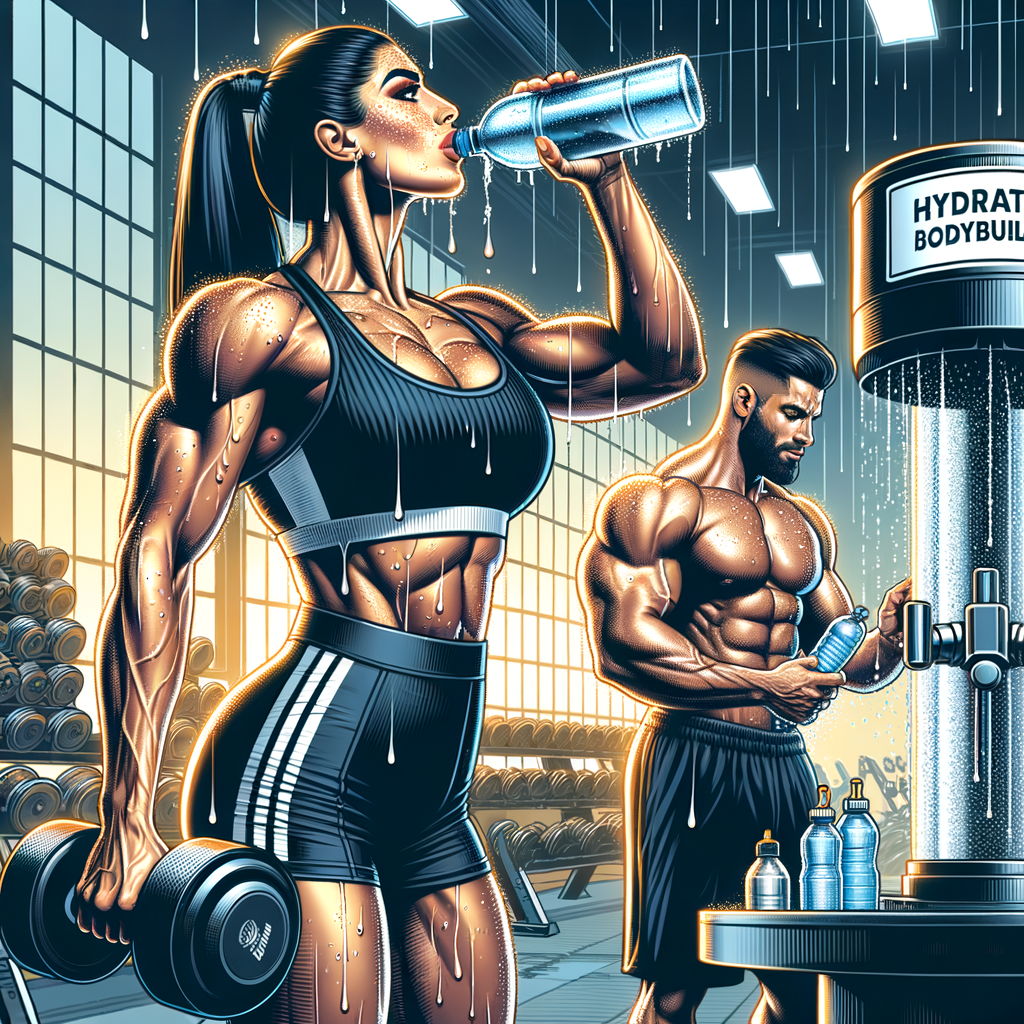
Hydration Bodybuilding matters because water drives nearly every process in the body. Muscles contain about 75% water, so hydration directly affects strength and recovery. When you stay hydrated, your cells perform at full capacity. Conversely, dehydration reduces muscle function and can stall gains.
Moreover, water helps transport nutrients and remove waste. It supports joint lubrication and temperature control. In short, hydration stands as a foundational pillar for muscle growth and performance. Ignore it, and you limit the results of your hard training and nutrition.
How Water Affects Muscle Growth
Water provides turgor pressure inside muscle cells, which can signal anabolic pathways. Consequently, cells that remain full and hydrated tend to favor protein synthesis. Research shows that cellular hydration can influence mTOR signaling, a central pathway for muscle growth.
Also, good hydration optimizes nutrient delivery. Oxygen and amino acids reach muscles more effectively when blood volume stays healthy. Thus, staying hydrated improves both the immediate workout capacity and long-term muscle-building response.
Signs You’re Not Hydrated Enough
Watch for dark urine, persistent thirst, and dry mouth as obvious signs of dehydration. Other common signs include headaches, dizziness, and low energy. If you feel weaker or your rep counts fall, hydration might be the culprit.
Chronic low-level dehydration can show as stubborn fatigue, poor recovery, and higher resting heart rate. In addition, muscle cramps and stiffness appear more often when fluids and electrolytes fall short. Treat these warning signs early to protect gains and performance.
Daily Water Needs for Bodybuilders
Daily water needs vary by body weight, activity level, and climate. As a simple guide, aim for 0.5 to 1 ounce of water per pound of body weight each day. For example, a 180-pound athlete should target between 90 and 180 ounces.
Furthermore, increase intake around workouts. Plan to consume extra water before, during, and after training sessions. Heat and heavy sweating require more fluids, so adjust intake for hot environments or intense cardio.
Hydration Timing: Before, During, After Workouts
Start by drinking water in the hour before training. Consume 16 to 20 ounces about 30 to 60 minutes prior. This boosts blood volume and primes your muscles for work.
During training, sip regularly in small amounts. Aim for 7 to 10 ounces every 10 to 20 minutes, depending on sweat rate. Afterward, focus on replenishing lost fluids and electrolytes to speed recovery and restore balance.
Electrolytes: Why They Matter
Electrolytes like sodium, potassium, magnesium, and calcium regulate nerve signals and muscle contractions. Water alone cannot replace these critical minerals. Without them, you risk cramping, fatigue, and poor performance.
Therefore, include electrolytes in your hydration plan when you sweat heavily. Sports drinks, electrolyte tablets, or real-food sources can help. Also, track your sodium and potassium intake if you follow a very low-carb or ketogenic diet.
Best Fluids for Bodybuilders
Plain water serves most needs and remains the cheapest option. However, you can mix other fluids to fit goals and intensity. For instance, add a small sports drink during long or intense sessions to restore electrolytes and carbs.
Milk offers both protein and fluids, making it useful post-workout. Coconut water provides potassium but lacks sodium, so pair it with salty foods. Avoid sugary sodas and excessive caffeine that can disturb hydration balance.
Hydration Strategies for Cutting and Bulking
During a bulk, you need extra water to support increased caloric intake and higher training volume. More food raises metabolic byproducts that require fluids for clearance. So drink steadily to help digestion and recovery.
During cutting, maintain hydration to preserve performance and muscle mass. Low-carb diets reduce water storage, so you may lose weight quickly early on. Still, hydrate consistently to reduce fatigue and protect joints.
Hydration and Performance Metrics
Hydration influences metrics like strength, power, and endurance. Even a 2% bodyweight loss through sweat can impair performance. Consequently, small hydration deficits add up over repeated sessions.
You can monitor performance changes to gauge hydration status. If tempo slows or reps drop, check your fluid intake. Use objective tests like vertical jump, sprint times, or bar speed to track subtle declines linked to hydration.
Practical Tips to Track Hydration
Use urine color as a simple gauge: pale yellow equals good hydration. Also, weigh yourself before and after workouts. A loss of more than 2% suggests you need to replenish more aggressively.
Carry a water bottle and set reminders on your phone. Many athletes use bottles with volume markers to measure intake. Finally, log fluids along with workouts to spot patterns and make steady adjustments.
How Much Electrolyte Replacement Do You Need?
Electrolyte needs depend on your sweat rate and sweat composition. Some people lose more sodium than others. As a general rule, aim for 300 to 700 mg of sodium per hour during heavy sweating.
Potassium needs hover around 200 to 400 mg per hour in prolonged sessions. Magnesium and calcium losses are smaller but still important. Use targeted supplements or balanced sports drinks for long workouts.
Hydration Tools and Gadgets
Hydration tools can make tracking easier and more fun. Smart bottles show real-time intake and sync with apps. Hydration tablets dissolve quickly and provide measurable electrolytes.
Also, use sweat-rate calculators to estimate fluid loss. These tools help tailor your intake plan to specific workouts. They also reduce guesswork and prevent both under- and overhydration.
Pre-Workout Hydration Routine
Start the day with water to replace overnight losses. Then drink 16 to 20 ounces within an hour before training. This ensures adequate plasma volume and better thermoregulation.
Additionally, ingest small carbs if your session demands high intensity. A sports drink or light snack with electrolytes helps sustained performance. Avoid large meals less than two hours before heavy lifting.
During-Workout Hydration Routine
Sip frequently to maintain steady fluid levels. Avoid gulping large amounts at once, which can cause discomfort. Instead, take small sips every 10 to 20 minutes.
For sessions under an hour, water often suffices. For longer or more intense sessions, include electrolytes and some carbs. Tailor your approach by testing different drinks in training, not competition.
Post-Workout Hydration Routine
Rehydrate within 30 minutes after training for optimal recovery. Drink 16 to 24 ounces and add electrolytes if you sweated a lot. Pair fluids with protein and carbs to restore glycogen and repair muscle.
Weigh yourself pre- and post-workout to estimate fluid replacement needs. For each pound lost, drink about 16 to 24 ounces of fluid. Continue sipping over several hours for full restoration.
Hydration-Friendly Foods for Bodybuilders
Certain foods help maintain hydration while supplying nutrients. Cucumbers, watermelon, oranges, and lettuce contain high water content. They add fluids and provide vitamins and minerals.
Broths, soups, and smoothies also hydrate and restore electrolytes. Protein-rich liquids like milk and yogurt offer both hydration and recovery benefits. Incorporate these foods into meals, especially post-workout.
Hydration When Training in Heat
Heat increases sweat rates, so hydrate more often in hot weather. Begin hydrating earlier in the day and schedule workouts during cooler periods when possible. Wear breathable clothing to minimize excessive loss.
Furthermore, consider acclimation strategies if you’ll train in the heat often. Regular exposure gradually improves sweat efficiency and reduces electrolyte loss. Still, monitor intake closely and use electrolyte replacement when necessary.
Hydration for Strength vs. Endurance Training
Strength training demands short bursts of power and stable neuromuscular function. Hydration helps maintain force production and reduces fatigue during sets. Even minor dehydration can blunt maximal lifts and reduce focus.
Endurance training requires prolonged fluid and electrolyte replacement. Here, prevent dehydration and hyponatremia by balancing water and salts. For long runs or rides, plan scheduled intake using evidence-based formulas.
Hydration Mistakes to Avoid
First, don’t rely only on thirst; thirst often lags behind need. Also, avoid drinking massive amounts of plain water in short periods. Overdrinking can cause hyponatremia, a dangerous sodium dilution.
Second, don’t neglect electrolytes during long sessions. Many athletes skimp on salt and then cramp or collapse. Finally, don’t test hydration strategies for the first time on important competition days. Test in training to find what works.
Alcohol, Caffeine, and Hydration
Alcohol dehydrates by increasing urine output and impairing recovery. Limit alcohol around training days and hydrate more if you drink. Alcohol also hampers sleep, which impairs muscle repair.
Caffeine has mild diuretic effects but also boosts performance. If you tolerate caffeine, use it strategically with adequate fluid intake. Track how caffeine affects your urine and adjust water accordingly.
Hydration for Older Bodybuilders
Aging reduces thirst sensation and kidney concentration ability. As a result, older athletes face higher dehydration risk. Therefore, schedule drinks and avoid waiting for thirst.
Also, medications can affect fluid and electrolyte balance. Check with a healthcare provider if you take diuretics or common blood pressure meds. Adjust hydration strategies to account for these interactions.
Hydration During Travel and Competition
Travel disrupts routines, including hydration habits. Bring a refillable bottle and portable electrolyte options. Drink before flights and avoid excess alcohol during trips.
At competitions, follow your practiced hydration plan. Use familiar drinks and foods to lower GI upset risk. Also, account for venue climate and travel fatigue when adjusting intake.
Hydration and Body Composition Goals
Hydration impacts scale weight and muscle fullness. Proper hydration gives muscles a fuller appearance. During cutting, water retention can mask fat loss temporarily.
Manipulating fluids for a temporary look can harm performance and health. Instead, maintain consistent hydration to support long-term body composition goals. Use gradual adjustments rather than drastic fluid manipulation.
Hydration and Injury Prevention
Fluid and electrolyte balance helps prevent cramps and reduces muscle-tear risk. Well-hydrated muscles absorb load better and glide smoothly. Joints also benefit from better lubrication.
Moreover, hydration supports cognitive focus and coordination. When you stay sharp, you execute lifts with safer technique. Thus, hydration indirectly lowers the risk of form-related injuries.
Supplements That Support Hydration
Electrolyte tablets, oral rehydration solutions, and balanced sports drinks aid fluid balance. Some athletes use creatine, which increases intracellular water and supports muscle volume. However, creatine requires steady daily water intake.
Beta-alanine and caffeine also affect performance but not directly hydration. Use supplements to complement—not replace—good hydration habits and whole foods.
How to Assess Sweat Rate
Measuring sweat rate helps tailor fluid plans. Weigh yourself nude or in minimal clothing immediately before and after a typical workout. Subtract final weight from starting weight and adjust for any fluid consumed.
A one-pound loss equals about 16 ounces of sweat. Divide that by workout hours to get ounces per hour. Use this data over several sessions to average your sweat rate.
Hydration Myths Debunked
Myth: You need eight glasses a day exactly. Reality: Needs vary by weight, weather, and activity. Use bodyweight, sweat rate, and urine color as guides instead.
Myth: Drinking only during meals suffices. Reality: Regular sipping throughout the day works best. Small, frequent doses maintain balance and prevent stomach distress.
Hydration Plans for Different Body Types
Larger athletes need more fluids per day due to greater mass and heat production. Also, leaner athletes with higher metabolic rates may need slightly more water. Tailor intake by combining bodyweight and activity level.
If you sweat profusely, add electrolytes and increase hourly intake. Conversely, low-sweat athletes can often stick to simpler water-based plans. Test and refine your routine across training cycles.
Hydration and Sleep Quality
Hydration influences sleep indirectly. Dehydration can cause nighttime leg cramps and restless sleep. On the other hand, too much evening fluid triggers bathroom trips and interrupts sleep.
Therefore, time your intake. Drink adequate fluids earlier in the day and taper off before bed. If you require nighttime hydration, keep amounts small to avoid full awakenings.
How to Implement a Hydration Schedule
Start with a daily baseline using bodyweight guidelines. Next, add pre-, intra-, and post-workout targets. Then account for heat, travel, and special events to refine the plan.
Set measurable goals, such as ounces per hour or bottles per day. Use tools like marked bottles, apps, and kitchen scales to track progress. Consistency trumps perfection for long-term results.
Case Study: Hydration Impact on a 12-Week Strength Cycle
A lifter followed a consistent hydration plan while training four times weekly. They increased daily water by 40% and added electrolytes on training days. Over 12 weeks, they reported fewer cramps and faster recovery.
Objective measures backed the subjective improvements. Bench press and squat 1RM improved by 6–8% compared to previous cycles. The lifter also reported better sleep and less muscle soreness, showing how hydration supports consistent gains.
Common Questions Athletes Ask About Hydration
Athletes often ask about optimal fluids, timing, and electrolyte mixes. They also wonder how hydration interacts with diet and supplements. Additionally, many ask how to prevent cramps and maintain energy in long events.
Most answers require individualized approaches. Still, proven principles apply: drink regularly, replace electrolytes in high-sweat scenarios, and track intake and performance data. Use training sessions to test plans before events.
Actionable 30-Day Hydration Challenge
Week 1: Establish a baseline. Measure current daily intake and urine color. Increase water by 20% and track effects.
Week 2: Add pre- and post-workout protocols. Weigh before and after training to gauge sweat loss. Adjust hourly intake for workouts.
Week 3: Introduce electrolytes for heavy sessions. Test a sports drink or tablet during two workouts. Note performance and cramp frequency.
Week 4: Fine-tune and record final metrics. Compare strength, recovery, and sleep to baseline. Make permanent tweaks and set a maintenance plan.
Quick Hydration Checklist for Every Workout
– Drink 16–20 oz within 60 minutes pre-workout.
– Sip 7–10 oz every 10–20 minutes during training.
– Weigh before and after to estimate sweat loss.
– Rehydrate 16–24 oz per pound lost post-session.
– Include electrolytes for sessions longer than 60 minutes.
This checklist ensures consistency and helps you adjust based on results.
Summary: Hydration as a Non-Negotiable Tool for Gains
Hydration Bodybuilding demands attention because water influences nearly every physiological process. Proper hydration boosts performance, speeds recovery, and reduces injury risk. Most importantly, it helps your training translate to better gains.
Make hydration a daily habit and plan it around training. Use simple tools like urine color, scale weight, and sweat-rate tests to refine your approach. With a consistent plan, you’ll preserve strength and accelerate progress.
Frequently Asked Questions (FAQs)
1. How quickly does dehydration affect muscle performance?
– Even a 1–2% loss in body water can reduce endurance and strength. Effects can appear within a single workout, especially in heat.
2. Can I drink too much water while trying to bulk?
– Yes. Overdrinking without electrolytes can dilute sodium and cause hyponatremia. Balance water with salt and monitor urine color.
3. Are electrolyte tablets safe long-term?
– Yes, when used as directed. Most tablets provide concentrated salts and minerals. Still, avoid excessive sodium if you have blood pressure concerns. Consult a physician if needed.
4. Will drinking more water make me gain fat?
– No. Water does not add calories or create fat. Temporary weight increases from water retention do not equal fat gain.
5. Is flavored water or zero-calorie drink okay?
– Generally yes, if the flavoring contains minimal additives. Check ingredients to avoid hidden sugars or sodium imbalances.
6. Should I change hydration when lifting heavy vs. light days?
– Slightly. Heavy days may demand more electrolytes and pre-workout fluids. Light or rest days require less but maintain baseline hydration.
7. Does creatine require extra water?
– Yes. Creatine increases intracellular water, so drink additional fluids daily. This helps prevent stomach upset and supports muscle fullness.
8. How do I hydrate if I hate plain water?
– Use infused water, low-calorie sports drinks, coconut water, or dilute fruit juice. Also try soups, smoothies, and high-water fruits and vegetables.
9. Can I rely on thirst during long endurance events?
– No. Thirst often lags behind actual needs. Use scheduled sipping plans to prevent deficits and monitor biomarkers like urine color.
10. When should I consult a doctor about hydration issues?
– See a doctor if you experience persistent dizziness, fainting, severe cramping, swelling, or signs of hyponatremia. Also consult if medications affect fluid balance.
References
– Sawka, M. N., et al. “Fluid replacement and performance during exercise.” Medicine & Science in Sports & Exercise. https://pubmed.ncbi.nlm.nih.gov/16630227/
– Murray, R. “Hydration and physical performance.” Journal of the American College of Nutrition. https://pubmed.ncbi.nlm.nih.gov/17530941/
– Casa, D. J., et al. “National Athletic Trainers’ Association position statement: fluid replacement for athletes.” Journal of Athletic Training. https://www.ncbi.nlm.nih.gov/pmc/articles/PMC1323428/
– Kreider, R. B., et al. “Effects of creatine supplementation on performance and training adaptations.” Molecular and Cellular Biochemistry. https://pubmed.ncbi.nlm.nih.gov/11975991 (Incomplete: max_output_tokens)